Orofacial Myology: Disorders, Oral Ties & Therapy
Orofacial Myofunctional Disorders (OMDs)
The term "orofacial" refers to the mouth and face, while "myofunctional" pertains to the muscles and their functions. OMDs are atypical adaptive patterns that emerge in the absence of normal patterns and functions of the orofacial complex.
The regular presence of abnormal patterns can affect dental development, facial growth and development, feeding, chewing & swallowing, speech, sleep, breathing, orthodontic stability, facial aesthetics and much more. Orofacial myofunctional disorders are diagnosed by Orofacial Myologists- trained specialists in the field of dentistry, medicine and speech language pathology.
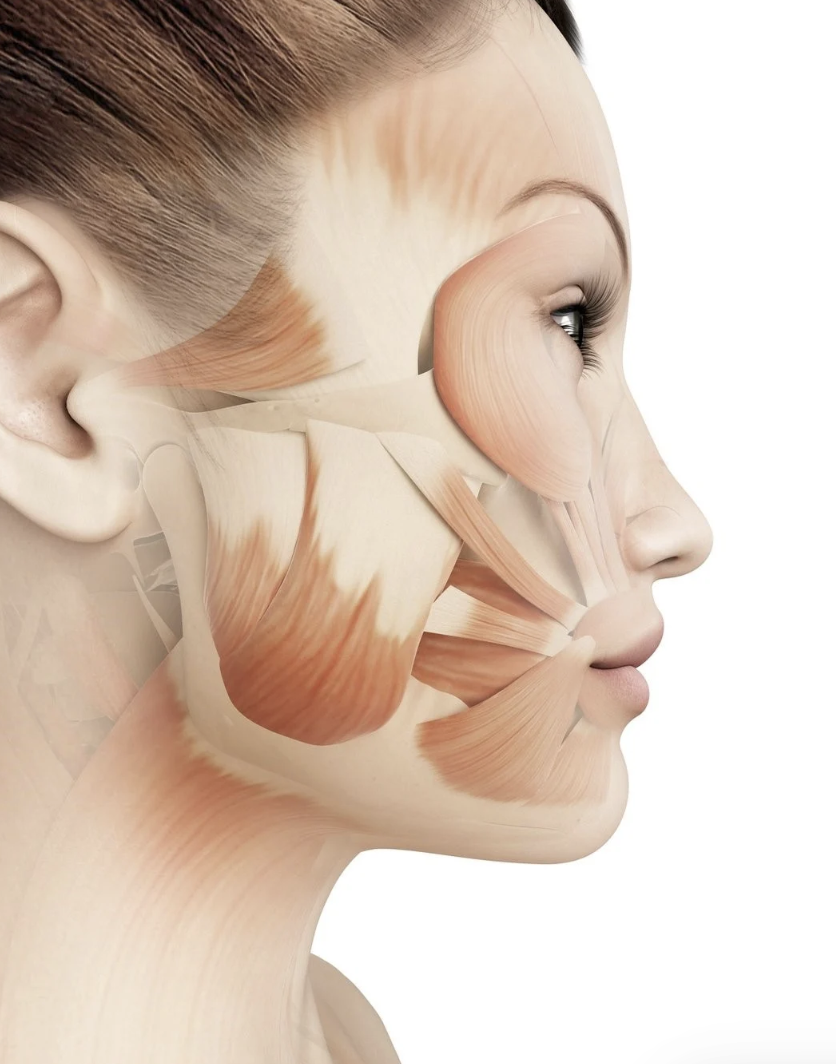
The muscles of the craniofacial- respiratory complex work together to orchestrate the complex and interconnected tasks related to the face, head and neck, and the systems of the body to which they communicate and uphold.
Causes of OMDs
In many cases, it is difficult to isolate a particular source as the sole cause, as OMDs are multifaceted, and often the result of a combination of factors.
OMDs may develop as a result from the following:
Toxic Heavy Metals in the brain & under-developed nervous system
Inflammation of the nervous system from pathogens or injury
Neurological deficits and developmental delays
Hereditary predisposition (the pathogens, toxins, heavy metals & deficiencies we inherit through our family line, along with other environmental factors, impact our development)
Other Factors:
Structural or physiological abnormalities such as a short lingual frenum (tongue-tie) & underdeveloped jaws
A restricted/ inflamed nasal airway; enlarged tonsils/adenoids, allergies and/or deviated septum
Oral habits such as thumb or finger sucking, cheek/nail biting, teeth clenching/grinding, and tongue, lip or cheek sucking
Extended use of a pacifier and/or long-term use of sippy cup
More on Structural Issues
Certain oral habits can significantly influence the development and structure of the mouth, affecting various aspects such as facial growth and airway health. Common behaviours include thumb sucking, extended pacifier use, nail biting, lip sucking or biting, chewing on non-food items, and mouth breathing. These habits can lead to issues like dental crowding, overbites, and airway issues. When the tongue does not rest against the palate, there is increased risk of orofacial myofunctional disorders (OMDs), which can impact chewing, swallowing, sleep and speech. In many instances, these challenges stem from other underlying factors, such as nutrient deficiencies, low hydrochloric acid (HCL) levels, or heavy metal exposure, and can also be associated with bacterial buildup in the nasal passages.
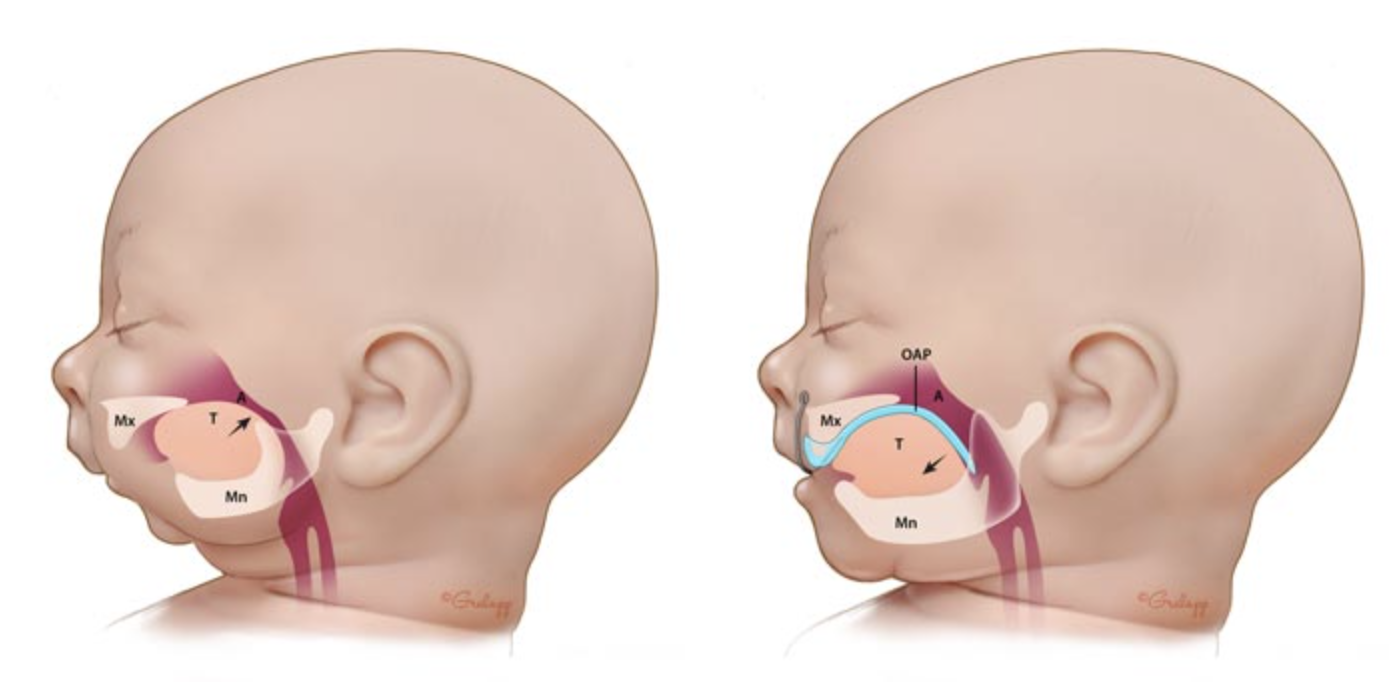
On the left, deficient skeletal growth, tongue and airway dysfunction. On the right, sufficient skeletal growth, optimal tongue placement and airway integrity. The growth and structure of the jaw is an indicator of overall development, and impacts an infants ability to breathe, feed, sleep and develop optimally.
OMD Signs and Symptoms
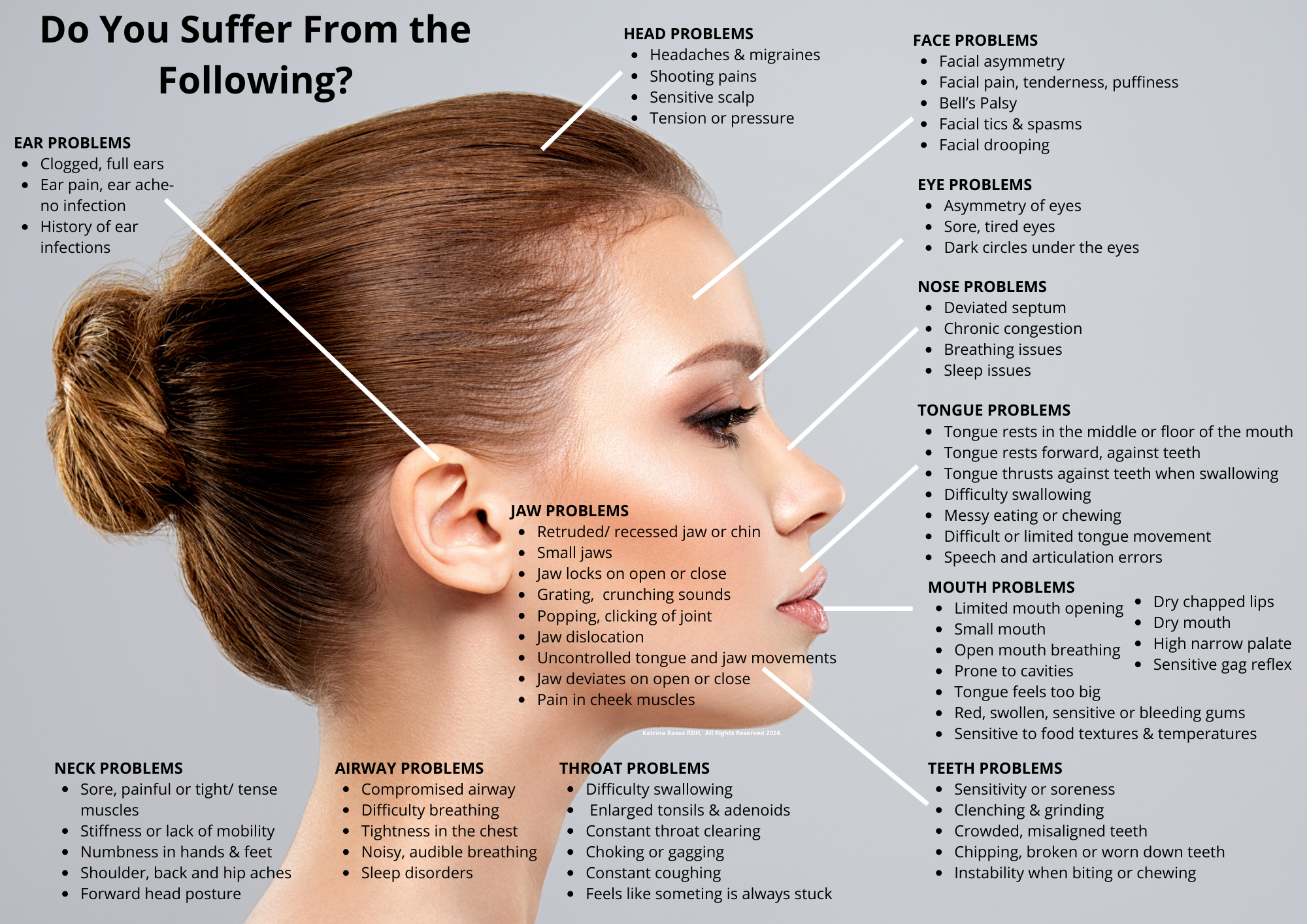
While all of the symptoms below may accompany Orofacial Myofunctional Disorders (OMDs), and help aid in diagnosis, it is imperative to understand that orofacial myofunctional disorders are not the CAUSE of any symptom, but a symptom in and of itself. OMDs are diagnosed based on the degree of dysfunction of the orofacial complex, including the acts of breathing, feeding, swallowing and speech. Symptoms and conditions arise in the body due to (1) High pathogenic loads, viruses and bacteria (2) Toxic heavy metals, and (3) Environmental toxins such as DDT, along with (4) Radiation exposure, which exacerbates all health conditions and symptoms. When the immune system is weakened, when the liver is burdened, and the nervous system and brain experience chronic stress and inflammation from these factors, along with other environmental stressors and life circumstances, issues begin to arise, which negatively impact breathing, sleep, growth, development, speech and posture. These issues often begin in utero, following us through life, and impacting a person’s growth and expansion into their highest genetic potential.
Remember: Your body is working tirelessly for you each day. It is the natural, normal and healthy state of a human being to be breathing, eating and speaking with ease, and sleeping peacefully. When we take care of the body in the way nature intended, through utilizing healing and restorative tools, these functions naturally begin to normalize as we guide the body back in to balance & alignment.
Treatment of OMDs
It is crucial when treating orofacial myofunctional disorders to (1) re-establish optimal functions for breathing, swallowing and speech through the use of orofacial myofunctional therapy (2) treat any underlying issues impacting optimal oral function, such as oral ties, and (3) utilize healing tools and protocols that get to the root cause of dysfunction and support the brain, nervous system, muscular and skeletal system.
(1) Orofacial Myofunctional Therapy (OMT)
Orofacial Myofunctional Therapy (OMT) is a specialized form of therapy that focuses on treating Orofacial Myofunctional Disorders (OMDs). OMT works to improve and stabilize the function and coordination of the muscles of the head, neck and mouth, addressing issues such as mouth breathing, incorrect swallowing patterns, speech difficulties, dental issues, noxious oral habits, and breathing disordered sleep.  OMT involves progressive exercises and techniques for retraining the muscles of the orofacial complex to create and maintain a healthy orofacial environment, aiding in the restoration of optimal oral resting posture to improve sleep, breathing, feeding, swallowing and speech.

As of February 2025, the American Academy of Paediatric Dentistry (AAPD) has formally recognized the critical role of orofacial myology in paediatric care and health prevention. While everyone has the option to utilize this service through their dental hygiene care plan, orofacial myology should always be discussed and utilized for those under the age of six. The crucial role of orofacial myology in guiding normal growth and development of the craniofacial-respiratory complex, and in health prevention and maintenance cannot be understated.
The goals of OMT may include:
Establishing nasal breathing
Establishing proper tongue and lip posture
Establishing correct swallow pattern
Eliminating harmful oral habits including prolonged pacifier use, thumb & finger sucking, clenching & grinding, biting of nails/cheeks/lips
Stabilizing dentition from extraneous orofacial muscle movement
Establishing optimal feeding habits & treating the root cause with healing foods for the brain, muscles, tissues and skeleton
OMT Outcomes
There are many factors that contribute to OMT success:
Patient’s desire, dedicated cooperation and self-discipline are necessary
Support from others
With children undergoing therapy, parental involvement and encouragement is important and necessary
Effective communication between therapist, dental and medical community
OMT Effectiveness
OMT is especially helpful in the less than six age group in guiding craniofacial growth and developing and supporting healthy habits for life-long breathing, swallowing and speech. Numerous studies have shown that Orofacial Myofunctional Therapy can be 80-90% effective in correcting rest posture, swallowing and other oral functions, and that these corrections are retained years after completing therapy.
(2) Oral Ties
Assessing and diagnosing tongue-ties is a complex and nuanced subject. Below is a quick overview of tongue-ties, their symptoms & treatment. Because oral ties restrict optimal form and function of the tongue and oral complex, they can result in compensatory strategies for breathing, feeding, speech and posture. To read more about the assessment & diagnosis of tongue-ties, Sarah Hornsby’s blog post Language of Tongue-Ties is a wonderful resource.
Tongue Tie (Ankyloglossia): A midline disorder whereby the movement and function of the tongue are restricted due to a thick, tight and/or short cord of tissue, called the frenulum, that extends from under the tongue to the floor of the mouth.
Labial (Lip) Tie: A condition where the lip is short and tightly attached to the upper and/or lower gum tissues restricting function and mobility.
Buccal (Cheek) Ties: A condition where the tissue that connects the cheeks to the gums is abnormally tight and restricted

Summary of Tongue Tie Presentations
Anterior Tongue Tie- Anterior tongue tie occurs when the frenulum, the band of tissue connecting the tongue to the floor of the mouth, is attached close to the tip of the tongue. This type is more visible, often making the tongue appear heart-shaped when extended. It is easier to identify during a physical examination because of its more prominent placement.
Posterior Tongue Tie- Posterior tongue tie involves the frenulum being attached further back on the tongue, closer to the base. It is less obvious visually, as the frenulum is shorter and deeper under the tongue, making it harder to detect and therefore more challenging to diagnose, requiring a skilled practitioner to identify.
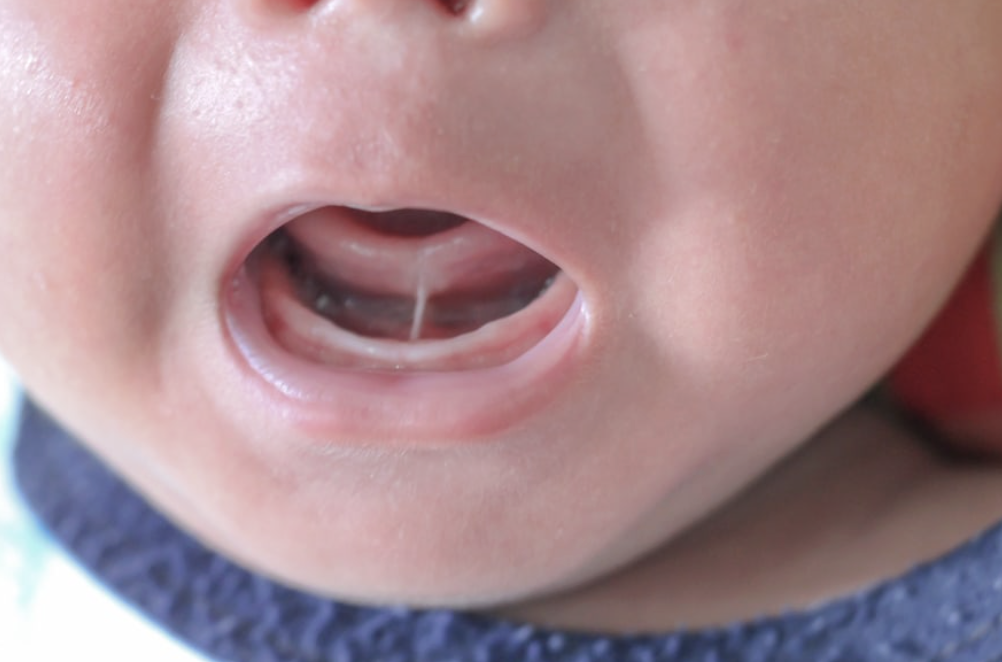
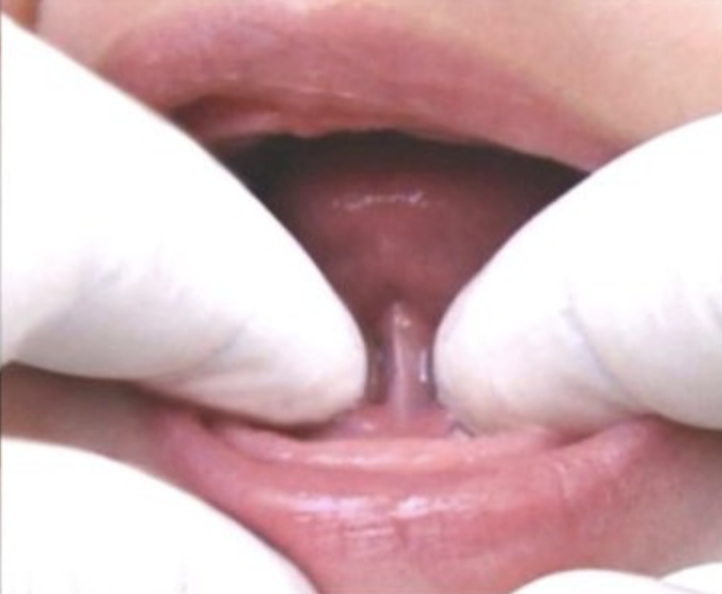
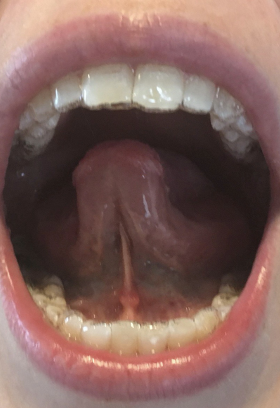
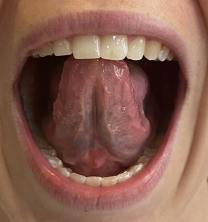
Anterior tongue-tie Posterior tongue-tie Pre-release restriction Normal frenum after release
Signs & Symptoms of Tongue Tie
While there are many signs and symptoms related to oral ties, and OMDs, I will stress again that OMDs and tongue-ties are symptoms themselves, and not causes. The cause of difficulties with establishing healthy breathing, sleep, feeding and speech patterns is due to a combination of factors such as inflammation from pathogens, toxic heavy metals in the brain, and exposure to environmental factors and stressors that are impacting how the brain is developing, how the nervous system is communicating, and how the muscles in turn are observed working.
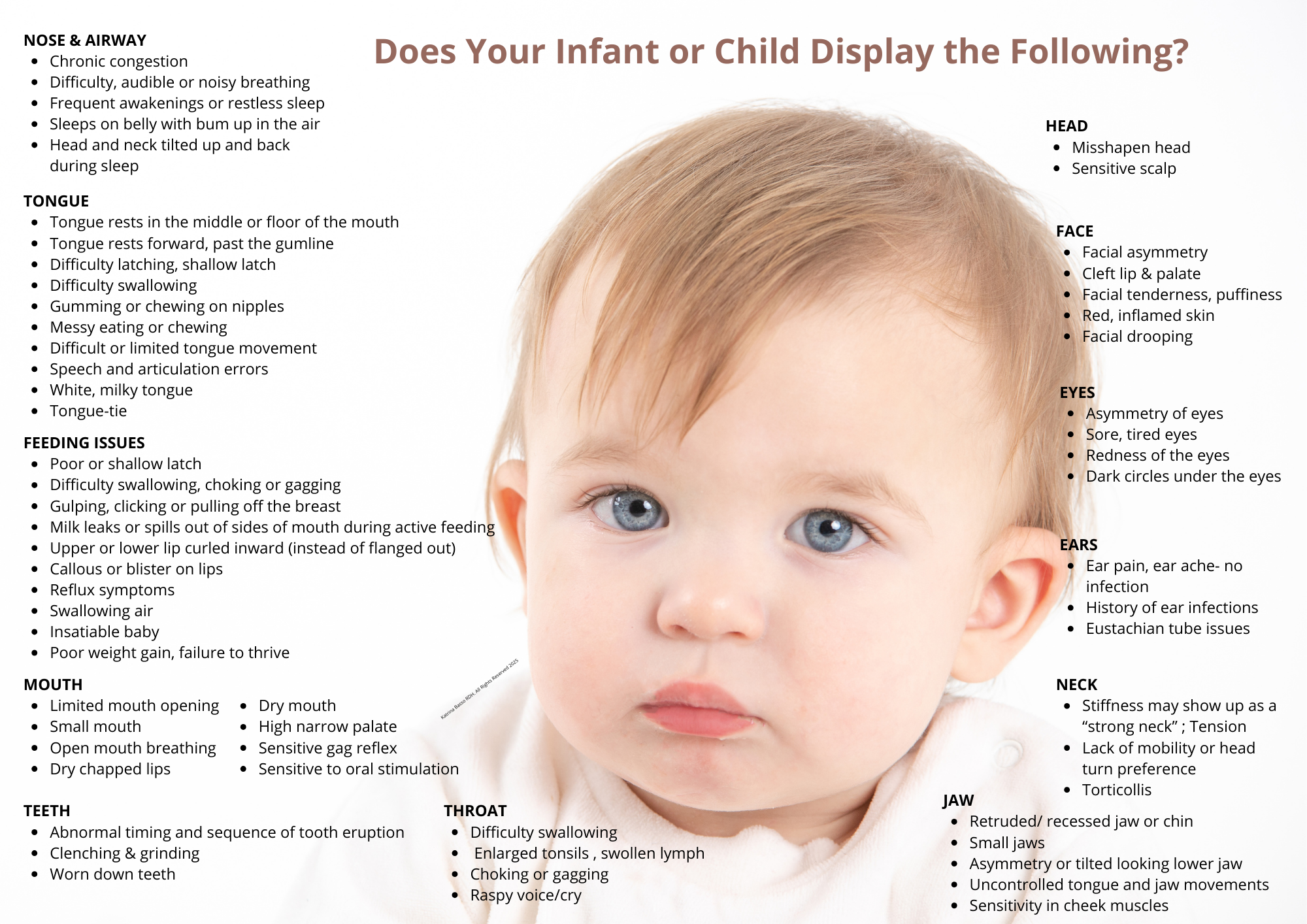
The symptoms the body exhibits tells us there is trouble occurring at deeper, internal levels within the body. We can use lists like the ones below to screen ourselves and our loved ones to help us navigate what we are dealing with, and lead us to a care team with expertise to help guide us back to health by addressing the root cause of why these symptoms are arising through a comprehensive assessment, treatment plan and evaluation.
Presentations in Mothers
Painful Breastfeeding & Nipple Trauma : Nipple pain, soreness, or damage due to the baby’s poor latch and ineffective suction. Cracked, bleeding, or blistered nipples may result from the baby’s improper latch.
Frequent Feeding: Baby may need to nurse more often because they aren’t effectively transferring milk during each session.
Prolonged Feeding Sessions: Feeding times that are longer than usual as the baby struggles to get enough milk.
Low Milk Supply: Over time, inadequate milk removal during breastfeeding can lead to a decrease in milk production.
Breast Infections: Increased risk of mastitis or thrush due to ineffective milk removal and nipple trauma.
Symptoms of Tongue Tie in Infants
Heart-Shaped Tongue: The tip of the tongue appears notched or heart-shaped when extended.
Difficulty Breastfeeding: Difficulty latching, shallow latch, frequent feedings, or fussiness during & after feeding sessions.
Clicking, gulping, choking or gagging: A clicking noise while breastfeeding, indicates a poor latch. Gulping, choking and gagging indicate difficulty with milk transfer, swallow, rhythm establishment due to vagus nerve dysfunction.
Poor Weight Gain: Inadequate milk intake leads to slow or insufficient weight gain or failure to thrive.
Colic symptoms/Gassiness: Difficulty establishing optimal suck-swallow-breathe rhythm at the breast can lead to swallowing air during feeding, leading to colic symptoms and digestive upset.
Mouth Breathing: Preference for mouth breathing over nasal breathing due to tongue position.
Lip blisters
Chewing or munching on nipples
Falls asleep during feeds
Symptoms of Tongue Tie in Toddler
Restricted Tongue Movement: Difficulty lifting it to the roof of the mouth, sticking out the tongue, or moving it side to side.
Speech Difficulties: Trouble pronouncing certain sounds, such as “t,” “d,” “n,” “z,” “s,” “th,” and “l”
Difficulty Eating/ Choking & Gagging: Struggles with chewing or swallowing solid foods, leading to picky eating habits or a preference for soft foods. Tendency to gag or choke on food may arise due to improper tongue movement during swallowing.
Mouth Breathing: Preference for mouth breathing, especially during sleep, due to restricted tongue movement.
Symptoms of Tongue Tie in Children
Breastfeeding challenges in the past
Breathing issues: Mouth breathing or open lips posture at rest, audible breathing, snoring or labored breathing.
Speech difficulties or delays in language development.
Difficulty chewing, messy eating, or avoiding solid foods.
Slow eating and taking longer to finish meals.
Tongue Thrust: The tongue pushes forward and out against or through the teeth during swallowing.
Misaligned teeth or orthodontic concerns.
Frequent ear infections, colds, coughs, and allergies.
Digestive issues like reflux or colic.
Night time teeth grinding (bruxism).
Restlessness and difficulty focusing.
Daytime drowsiness and fatigue
Treatment of Oral Ties
Frenectomy is a surgical procedure performed using laser or scissors, with or without sutures, to release tongue, lip and/or buccal ties. Before and after a frenectomy at any age, orofacial myofunctional therapy is necessary to reestablish and retrain optimal functions related to breathing, feeding, swallowing and tongue placement for speech sounds.
The goals of release are to (1) optimize and stabilize treatment outcomes of OMT and other bodywork and to (2) optimize the range of motion of tongue for performing physiological functions and patterns for breathing, feeding, swallowing and speech. Treatment of the root cause of symptoms is necessary in conjunction with OMT & releases.
It is important to note that tongue, lip and buccal tissues are normal anatomical structures. When they are too short or restricted, they affect function and are problematic. Ties can be identified and treated at any stage of life. There can be long term health consequences if ties are not diagnosed and treated early.
(3) Utilizing Healing Tools for Support at the Root
Supporting Muscular Health
Have you ever heard that muscle health is an indicator of overall health and longevity? Muscles are directly communicating with the nerves and brain, and upholding our structure (the bones). Muscle form and function give us an idea of how well these systems are operating together.
The muscles of the body require an abundance of glucose to maintain their form and function. Muscles run on glucose, it’s their fuel, their building block and their energy source. Pairing critical clean carbohydrates with mineral salts while also using muscles through moving, lifting and stretching is what results in muscle strength and health.
Muscles store glycogen, broken down from glucose, and this stored glycogen is what the body utilizes for all muscle functions. These functions include those of face, head, neck and mouth, and also include the brain, heart, lungs, diaphragm, liver, and all other muscles of the body. The more glycogen the muscles have, the healthier they are, fuelling our body and its processes throughout life.
We begin purposefully using our muscles at birth, with the main physical exercise being breathing, breastfeeding and swallowing. The muscles of the face, mouth, head and neck, and the ease with which they perform these vital survival functions, shape the muscular development of the entire body!
Supporting our muscular health is extremely important for overall health and wellbeing. When we take care of our bodies in the way nature intended, we find deep healing, strength and support. Some of the most important muscle builders include bananas, potatoes, winter squash, sweet potato, spinach, berries, papaya, melons, apples, celery juice, coconut water, honey and dates.
Supporting The Nervous System and Nerves
The nervous system uses nerve cells called neurons to communicate, sending signals, or messages, all over the body. These electrical signals travel along the brain, skin, organs, glands and muscles. These messages from the brain and cranial nerves are responsible for the ways we use our face, mouth, and tongue, as well as our limbs and trunk, and impact our breathing, sleep, swallowing, speech, posture, and behaviour.
When the brain, nerves and muscles are struggling due to toxic heavy metals in the brain & pathogenic inflammation, development can be impacted from in utero, and symptoms- or compensatory strategies- may emerge, letting us know that the brain is lacking the safety it needs to process the world around us. When this safety mechanism is chronically triggered, our primal functions such as breathing, feeding, resting and speaking can become compromised. While OMT helps to restore optimal muscle functions using specific exercises to reintegrate optimal brain-muscle patterns, deeper support is necessary for long term health and wellbeing.
The nervous system relies on trace mineral salts and sodium cluster salts for optimal function. There is a health trend that praises the addition of salt to water to promote health. That doesn’t give you the trace minerals you need. In fact, salt is deeply dehydrating and consumption should be limited where possible. The mineral and sodium cluster salts the body needs come from sources such as leafy greens (spinach, kale, romaine, Swiss chard), celery juice, cucumber juice, melons, apples, pears, lemons, oranges, coconut water & pure maple syrup. Consuming protective and healing tools such as the Medical Medium Heavy Metal Detox Smoothie is imperative for health prevention, maintenance and healing, especially for brain related conditions & midline disorders, as toxic heavy metals are responsible for conditions such as tongue & lip ties, and many behaviours and symptoms that accompany OMDs, such as noxious oral habits, tongue thrust, neurological, developmental and oral motor delays, speech and language issues, ADHD and autism (Muhammad& Kanwal, 2021). You can read more about toxic heavy metals and their impact on oral-systemic health here.

“ You need enough trace minerals in your brain to light the electrical grid and create continuity of that electrical grid so your brain is functioning at its optimum level.”
- Anthony William, Medical Medium
Supplementation for Support
The most optimal place to start with supplementation is through living foods that provide the essential glucose, minerals, nutrients, antioxidants, hydration and support the body craves. These foods include all fruits, vegetables, herbs and wild foods, with foundational tools encompassing lemons, celery juice, wild blueberries, bananas, oranges, apples, potatoes, sweet potatoes, berries, melons, papaya, squash, dates, maple syrup, real honey, leafy greens, cilantro & parsley.
Some beneficial supplements include B-12 with adenosylcobalamin and methylcobalamin, lemon balm, GABA, barley grass juice powder, B-complex, and calcium magnesium. Specific herbal teas such as raspberry leaf tea, and lemon balm tea are great to add to the diet as well. Nettle leaf is another wonderful herb that supports the nervous system, while mineralizing the teeth & bones and can be taken as tea or high quality tincture.
While learning and integrating new information and key concepts can be overwhelming at the start, knowledge is power on our health journeys. Oral health issues are nuanced, due to the oral cavity’s interconnectedness to all systems. Remember- true health comes back to basics: nutrition, smart supplementation, breathing & airway health, simple home care, and stress management. When we make time to understand and deeply support the body’s needs, we can live a thriving life, free from pain and breathing, sleeping, eating and speaking with ease and peace.
Additional Resources
I encourage you to explore additional resources, including:
The International Journal of Orofacial Myology and Myofunctional Therapy: https://www.mdpi.com/journal/ijom
One of the world leaders in tongue tie research, Dr. Zaghi at https://www.zaghimd.com/tongue-tie.
Textbook: Hanson, M. L., & Mason, R. M. (2003). Orofacial myology: International Perspectives. Charles C Thomas.
Tongue-Tied (Book) by Richard Baxter, DMD, MS
The Association of Orofacial Myologists of Canada
The International Association of Orofacial Myology
Life-long, symptom free health and peace are our birthright.
