Pregnancy and Oral Health
“Collective healing begins on the birth continuum, for it is in tending to mothers and children that we tend to Life.”
Health prevention begins before we are born and follows us through life. One way to prevent oral disease in young children is to improve pregnant women’s oral health and home health habits, before conception & through pregnancy. Oral health is an essential part of prenatal care, given that poor oral health during pregnancy can lead to poor health outcomes for the mother and baby.
Medical & Dental history
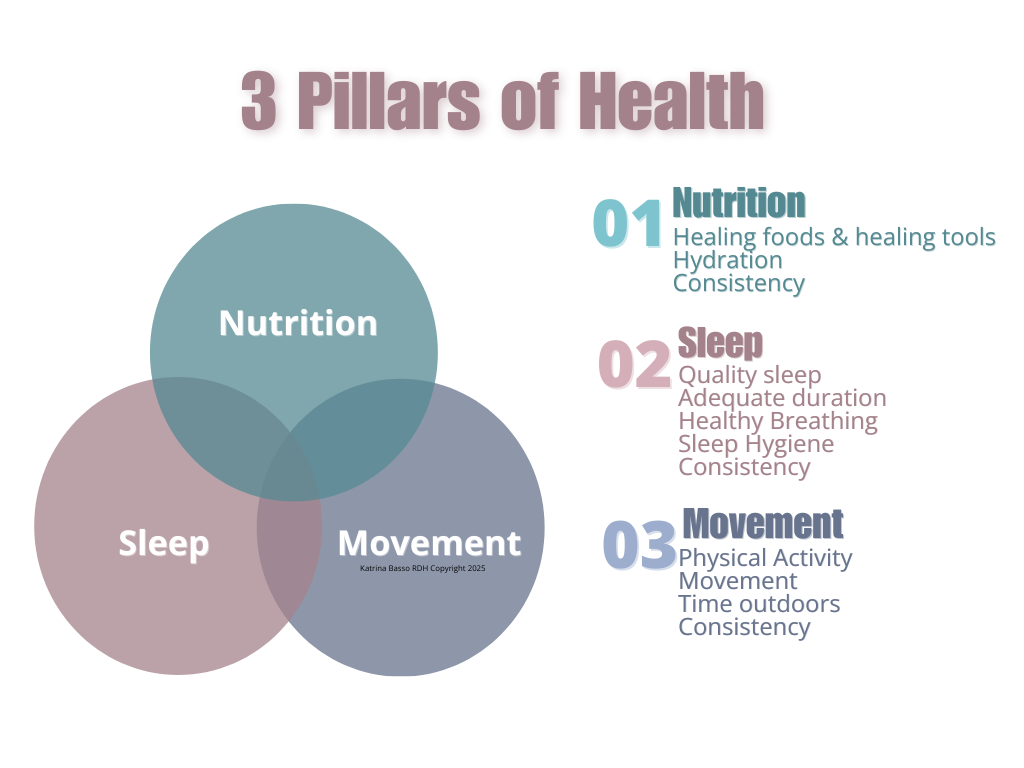
It is important to take into account the paternal and maternal medical and dental histories prior to conceiving. Through understanding the cause and prevention of disease, both parents can actively take steps to improve their health before conception to help ensure a healthy start for their children. When considering conception, it is beneficial to focus on the three pillars of health:
1- Sleep & Breathing: Ensuring that both parents have a sound and functioning airway is imperative to the airway health of the child. In health, the tongue rests fully up in the palate with lips closed, a relaxed jaw and quiet, deep, easeful nasal breathing . The hours between 10 PM and 2 AM represent a sacred sleep window, during which the body performs its most effective healing and repairing. Ensure you are getting the recommended 8 to 10 hours of adequate sleep each night. Optimal breathing and sleep routines set baby up for healthy cycles once they arrive.
2- Nutrition: A focus on healing foods and beverages to strengthen the immune system, cleanse the body of pathogens and toxins, and deeply support our systems, helps support our highest health and the health of our children. The teeth are like time capsules of information and are the most mineralized bones of the human body, responsible for feeding all functions of every system. They require an abundance of mineralizing foods daily, especially in pregnancy, which includes lemon water, celery juice, barley grass juice powder, spirulina, and an abundance of fruits, vegetables, herbs & wild foods. Optimal nutrition for mom means optimal nutrition for baby, both through her breastmilk, and during the introduction of common household foods once the time comes.
3- Movement & Daily Rhythms : Establishing optimal oral health routines is key in prevention and in maintaining stability once baby arrives. Brush for 2 minutes, twice a day, floss nightly, and maintain regular dental checkups. Consistent physical activity, sleeping on time, eating at regular 1.5-two hour intervals throughout the day, spending time in nature and with loved ones as well as practicing your faith is beneficial for long term health. The habits we have before baby arrives helps prepare us for leading them in healthy habits.
Pregnancy & gum disease
About 60% to 75% of pregnant women have gingivitis, an early stage of periodontal disease. Periodontal disease, or gum disease, is inflammation of the gums & supporting bones due to inflammation caused by pathogens. Inflammation is the body’s response to fighting off infection that has taken over the gums, sockets, and is leading its way into your jaw bone. During pregnancy, 80% of the woman’s immune system goes to the developing fetus, leaving her susceptible to an increase in health symptoms due to underlying pathogenic load, among other factors. Periodontitis has been associated with poor pregnancy outcomes, including preterm birth and low birth weight.
Pregnancy & cavities
Pregnancy and breastfeeding take a toll on women’s bones and teeth, as the body requires an abundance of mineral stores for these life giving acts. As the decades march on, humans are becoming more deficient in critical nutrients, and this may become especially noticeable during pregnancy and postpartum. Essential minerals and nutrients may be leached from the bones and body of the mother during fetal development and breastfeeding to aid in baby’s growth, leaving these critical stores depleted, especially in cases of multiple pregnancies. Therefore, pregnant women are at higher risk for cavities and tooth loss during and after pregnancy due to the mineral and nutrient loss experienced, and should take great care in ensuring the diet is abundant in healing juices, fruits, vegetables and wild foods along with mindful supplementation. Furthermore, pathogenic loads (cavity-causing bacteria) during and after pregnancy can be inherited and affect the health of the liver and overall immunity in addition to oral health. This stress on the immune system uses up critical mineral stores more quickly, further adding to depletion, and to the risk of cavities and tooth demineralization for mom and baby.

What Can We Do?
While it can feel scary, or like a lot of work, supporting our health is the foundation of setting our children up to thrive. Pregnancy and postpartum is a transformational time that we can navigate from an empowered place when we are well educated and have habits and routines in place to support us through this time. True oral health always comes back to the basics: nutrition, smart supplementation, breathing & airway health, simple home care, and stress management. Here are some simple tools you can incorporate for lasting pregnancy support.
Pregnancy Supplementation
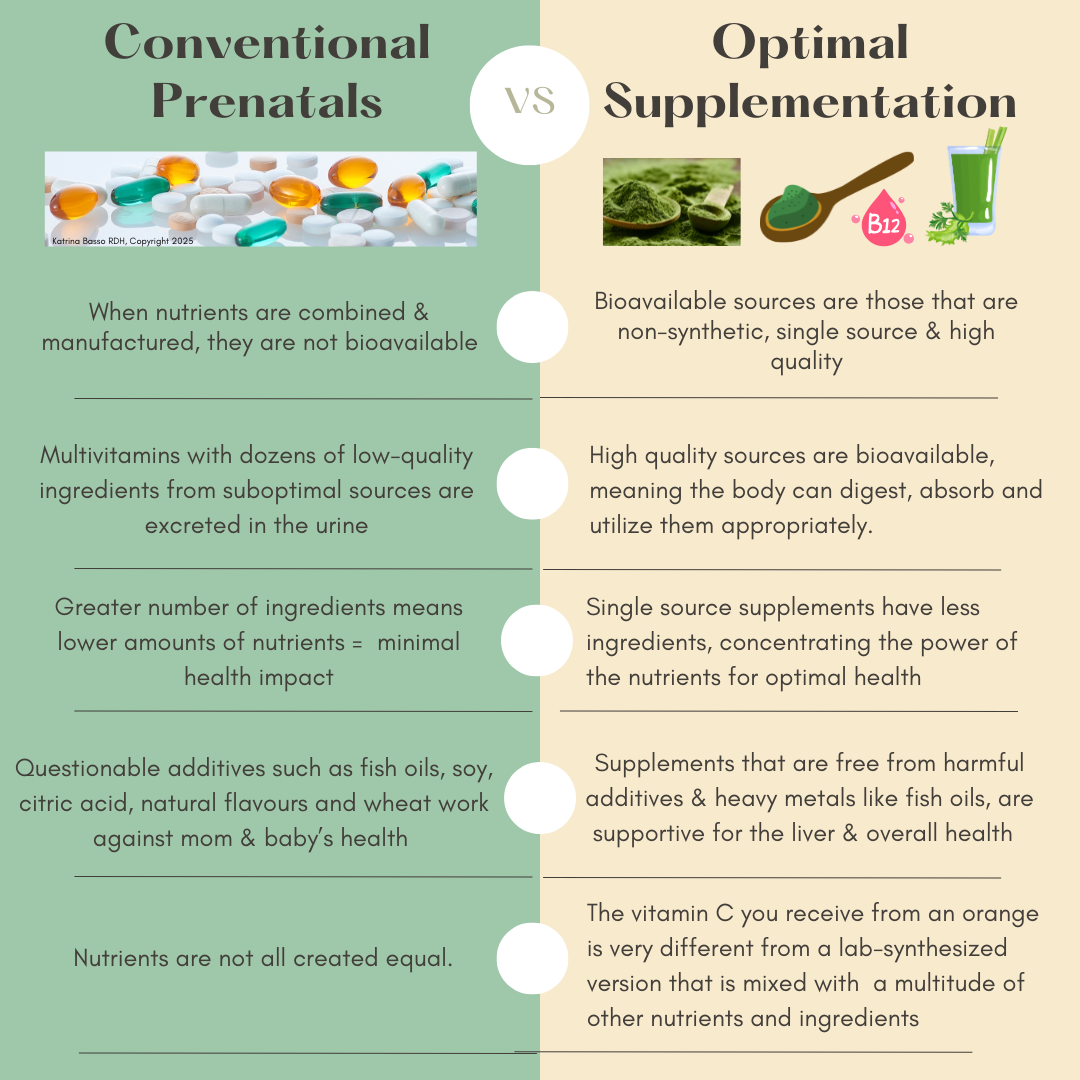
It can be so difficult for expectant mother’s to find reliable sources of information in regards to having a pregnancy that is as natural, supported and healthy as possible. While prenatal vitamins are recommended to nearly all pregnant women by their doctors, a growing body of research shows that many commercial prenatal vitamins contain inadequate or even harmful levels of key nutrients, and sometimes contain toxic metals, not offering the support needed for growing new life, nor fulfilling what they market themselves to do. You can use these summarized sources to begin gathering your own information.
So… if prenatal vitamins are not all they have cracked up to be, what’s a woman to do? There are certain nutrients that are essential for health, growth and development, and the supplementation listed below are safe and highly effective for supporting this milestone:
Celery Juice- In addition to restoring the adrenals, which are a essential for a healthy birth, it fights & eliminates pathogens in the body while boosting the immune system, providing key minerals to all cells & systems of the body, remineralizing the teeth and bones, providing critical complete electrolytes, and restoring the liver, brain and all other organs while deeply supporting connective tissue health for mom and baby. The extent to which celery juice offers restoration to the body cannot be understated. What a mother’s body receives from consuming this healing tonic daily, so too does her baby.
Spirulina- If a mother takes a high quality spirulina daily, she does more for herself & her baby than taking a multivitamin (William, 2023). It is a fundamental food for combatting iron deficiency. It restores the brain, safely detoxifies the organs, and is a powerhouse of minerals and phytochemicals. It contains brain supportive omega fats EPA/DHA, and is high in protein. Consuming just one- half-teaspoon daily provides more nutrition than most people get in an entire week, making it a nutrition powerhouse!
Barley Grass Juice Powder- Another high source of protein and calcium that is packed with essential minerals for health. Together with spirulina, it helps remove toxic heavy metals from the body, making it a powerful way to protect your baby from midline & brain-related conditions that are ever growing such as tongue-ties, ADHD, Autism and OMDs. A high quality barley grass juice powder helps mineralize the body, and is an essential pantry staple for all.
B12 - Supports the production of every cell in the body & is crucial for liver and brain health. Vitamin B12 is a critical cofactor for enzymes involved in methylation & energy metabolism, supporting key processes like DNA synthesis & repair along with nervous system function and cellular energy.
Nascent Iodine- Protects the thyroid of the mother, and supports the immune system of mother and baby. Nascent iodine helps remove radiation from the body, and supports brain focus and sleep- a must have for combatting the common symptom of “baby brain.”
Methyl-Folate- In the form of 5-MTHF, methyl-folate is a critical nutrient to support the formation of a growing baby’s spine, brain and cardiovascular system. Please note, folic acid is not the same as folate and folic acid should be avoided. A high quality 5-MTHF provides the most bioavailable form, supporting the liver and the body’s production of B12.
Magnesium Glycinate- For concerns like cramps, constipation, headaches, migraines, high blood pressure & “Charlie horses”, a high quality magnesium can help counteract and even prevent these symptoms across the board.
Helpful Herbs
Nettle Leaf- Is a uterine & reproductive tonic & miracle worker for balancing hormones due to its deep support of the adrenals glands and endocrine system. It helps rid the body of plastics and radiation while remineralizing the bones, teeth, hair skin and nails and supporting the mammary glands. It supports the production of bone and hard tissue development of developing babies, and helps mothers maintain iron levels throughout pregnancy. Use as a tea, capsules or alcohol free tincture.
Red Raspberry Leaf- This herb is one of the most widely used pregnancy and uterine herbs globally. It is typically consumed in the last trimester of pregnancy as well as postpartum. It helps tone and strengthen the muscles of the uterus in preparation for labour which contributes to a uterus that contracts more effectively, leading to healthy labour and decreased risk of miscarriage and haemorrhage. It is a rich source of iron, calcium, potassium, phosphorous, and vitamins A, B, C, and E, which support the teeth & bones, supports healthy milk production & overall health.
Elderberry- Elderberry is strong but gentle immune booster that can be taken during pregnancy if the expectant mother comes down with a cold, flu or virus. A strong immune system means essential minerals like calcium will be left in the teeth where they belong when illness comes along.
Healing Foods and Pregnancy
Why is it so important to eat a diet packed full of nutrition during pregnancy?
Many of us come into this world with mineral deficiencies, and these are passed on to our offspring. It is estimated that children today are born with up to 70% less bone density than ever before (Boyd, 2023) making them susceptible to structural issues such as tongue ties and mouth breathing, as well as early childhood illnesses, cavities and early onset gum disease. Eating a nutrient dense, mineral rich diet provides adequate building blocks for new life, minimally tapping in to the mineral stores of the mother’s body, keeping her teeth and bones healthy and supported.
A recent Canadian study reported that over 400 toxic chemicals were found in umbilical cord blood taken after birth. You can read a similar article published by the Guardian here, with similar findings across the world. At this time on Earth, we are up against an onslaught of toxins, pathogens and heavy metals that weaken our bodies, and are passed on through generations, so protecting ourselves and our babies is paramount.
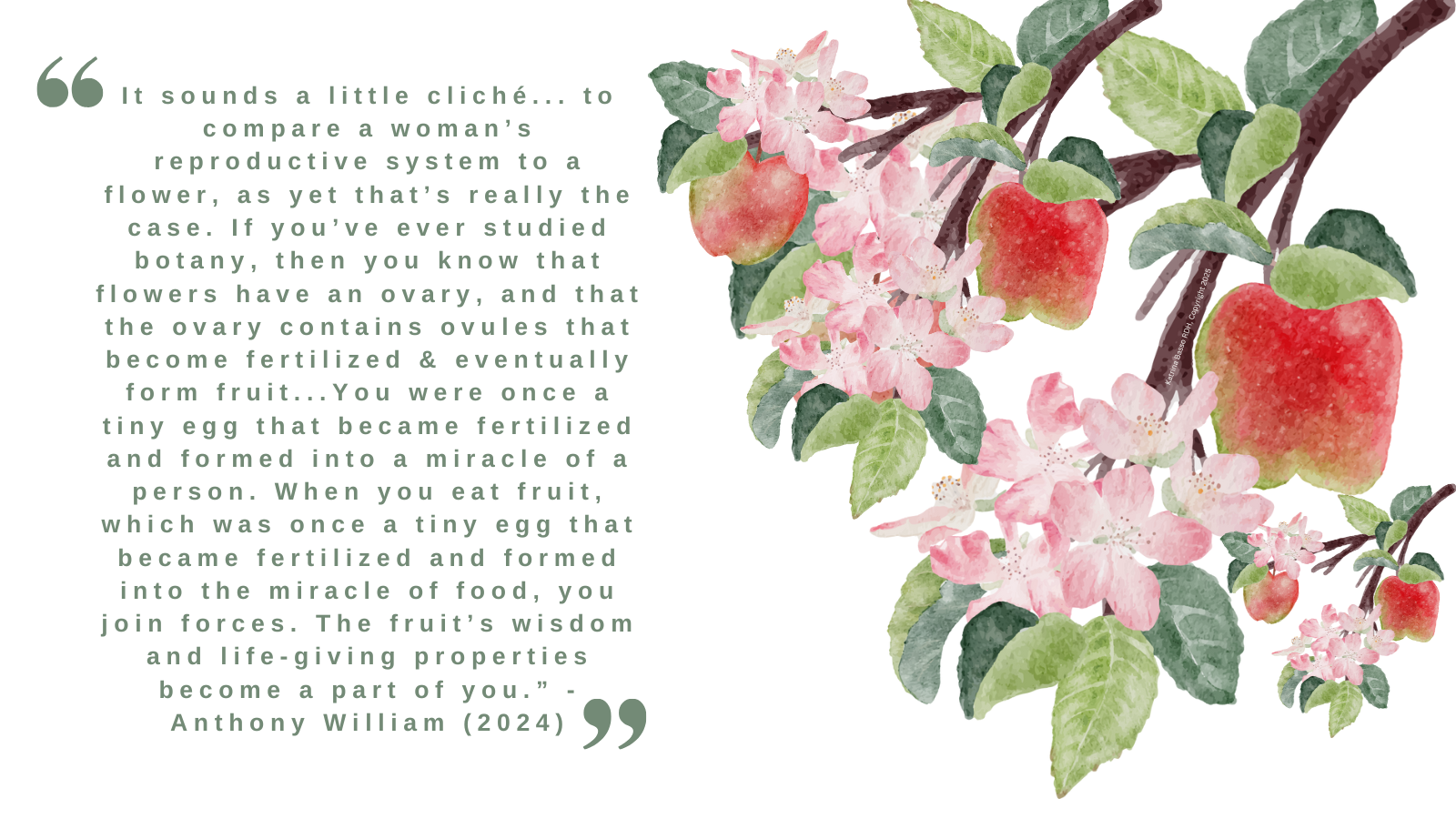
The number one most powerful type of food for pregnancy is fruit! It may seem simple, but fruit is the most life-giving food available to all of us, and should especially be consumed in abundance during pregnancy and postpartum.
Vegetables, especially potatoes, sweet potatoes, squashes, asparagus, mushrooms, leafy greens and cruciferous vegetables such as broccoli all contain a multitude of nutrients for mom and baby, supporting healthy pregnancy. You can incorporate spices into your daily cooking that contain powerful healing properties such as thyme, ginger, cumin, turmeric, paprika, and cilantro. Wild foods such as seaweeds, chaga, aloe vera, nettle, mulberries and coconut are powerful pregnancy supporters.
Certain foods stick out for their health impacts and ability to cleanse and deeply support the body, including Lemon Water, Celery Juice, and the Medical Medium Heavy Metal Detox Smoothie, which can be consumed daily.
Breastfeeding may also take nutrients from the body’s stores and is labour intensive for the body. Foods high in glucose massively support breast milk production, as over 95% of breast milk is made up of glucose water, with only .09-1.2% protein and 3.2-3.6% fat. This is a medically documented fact.
Breastmilk stimulating glucose includes bananas, papaya, mangoes, steamed squash, pumpkin and potatoes, peas, raw honey, dates, maple syrup, peaches, nectarines, oranges and apples. Consuming the fruit of plants & trees is deeply supportive to help develop and care for the literal fruit of our bodies- our children. These foods also support mom, providing minerals and nutrients to strengthen and support the immune system, bones & teeth, supporting her inner restoration and healing.
The adrenal glands use a superhuman amount of adrenaline during birth to push out a baby. To have a successful birth, a woman must have strong, rock solid adrenal glands. Consuming caffeine leaves the adrenals in a constant state of fight or flight, weakening them over time and preventing optimal adrenaline output needed for a healthy, strong birth. The most crucial habit before and after birth, besides avoiding caffeine, is to eat foods rich in glucose, potassium and mineral salts together, such as these adrenal snacks every 1-2 hours between meals. Supporting the adrenal glands supports strong, healthy physiological birth along with supporting our overall health which positively impacts the bones & teeth.
What to avoid
High Fat foods like eggs, peanut butter, cheese, dairy, ice cream and fat from any source, as well as processed oils are all best consumed in minimal amounts during pregnancy for optimal health.
Harmful supplements such as activated charcoal can block nutrient absorption and lead to mineral deficiencies for mom and baby. Collagen, which is never healthy, should especially be avoided during pregnancy. The body produces it’s own collagen and cannot use collagen that is consumed. Silica is the foundation for collagen production, so ensure you are consuming silica-rich foods daily such as artichokes, asparagus, grapes, cucumbers, aloe vera gel and nettle to support teeth, hair, skin and nails, or supplementing with a high- quality source.
Caffeine is a stimulant drug and should be avoided in all forms during pregnancy (coffee, chocolate, matcha, black tea, pop & kombucha). It floods the body with adrenaline, giving us a feeling of an energy boost, but drains the adrenal glands and burdens the liver, negatively impacting the length and safety of birth and setting babies up for caffeine addiction as they grow. Cacao is a known neurotoxin that can negatively impact brain development.
Smoking, recreational drug and alcohol use should be avoided, along with farmed fish, pork and deli meats.
Postpartum Oral health support
Restoring the body’s reserves of nutrients, minerals, electrolytes and mineral salts after birth is of utmost importance, and directly impacts breastfeeding, energy levels, immune system and recovery.
Incorporating a healing diet of coconut water, lemon water, celery juice, leafy greens, sprouts and glucose rich foods like bananas, steamed potatoes, and dates will help moms bounce back, and keep the body’s reserve levels replenished.
Foods that support postpartum, and provide adequate minerals to the body’s reserves, including the teeth, are avocados, potatoes, sweet potatoes, barley grass juice powder, and vegetable broths. If possible, avoid high fat foods, as they exhaust the liver, circulatory, neurological and immune systems- exactly what we don’t want after bringing new life into the world. Stay away from coffee and chocolate while recovering and throughout breastfeeding, ensuring that mom and baby do not become addicted to this stimulant substance. Caffeine drains the adrenal glands, and strips minerals from the teeth, sometimes for years after giving up the habit. Protecting, supporting and replenishing the adrenal glands is an important goal after the exhaustion and rush of birth.
Postpartum depression is common and often misunderstood. It is experienced when there is a lack of glucose in the brain after giving birth, paired with adrenaline fatigue. A terrific healing meal immediately after birth, and for several days after, is coconut water consumed with steamed potatoes, mashed with avocado. The brain, liver and body run on glucose- a biological and medically documented fact. Rather than adopting a high fat diet, focus on whole-food healthy carbohydrates & lowering fat intake. High fat diets can contribute to loss of breast milk production & cause mothers to struggle with fatigue and energy loss after birth. Ensure mom is eating every 1.5-2 hours.
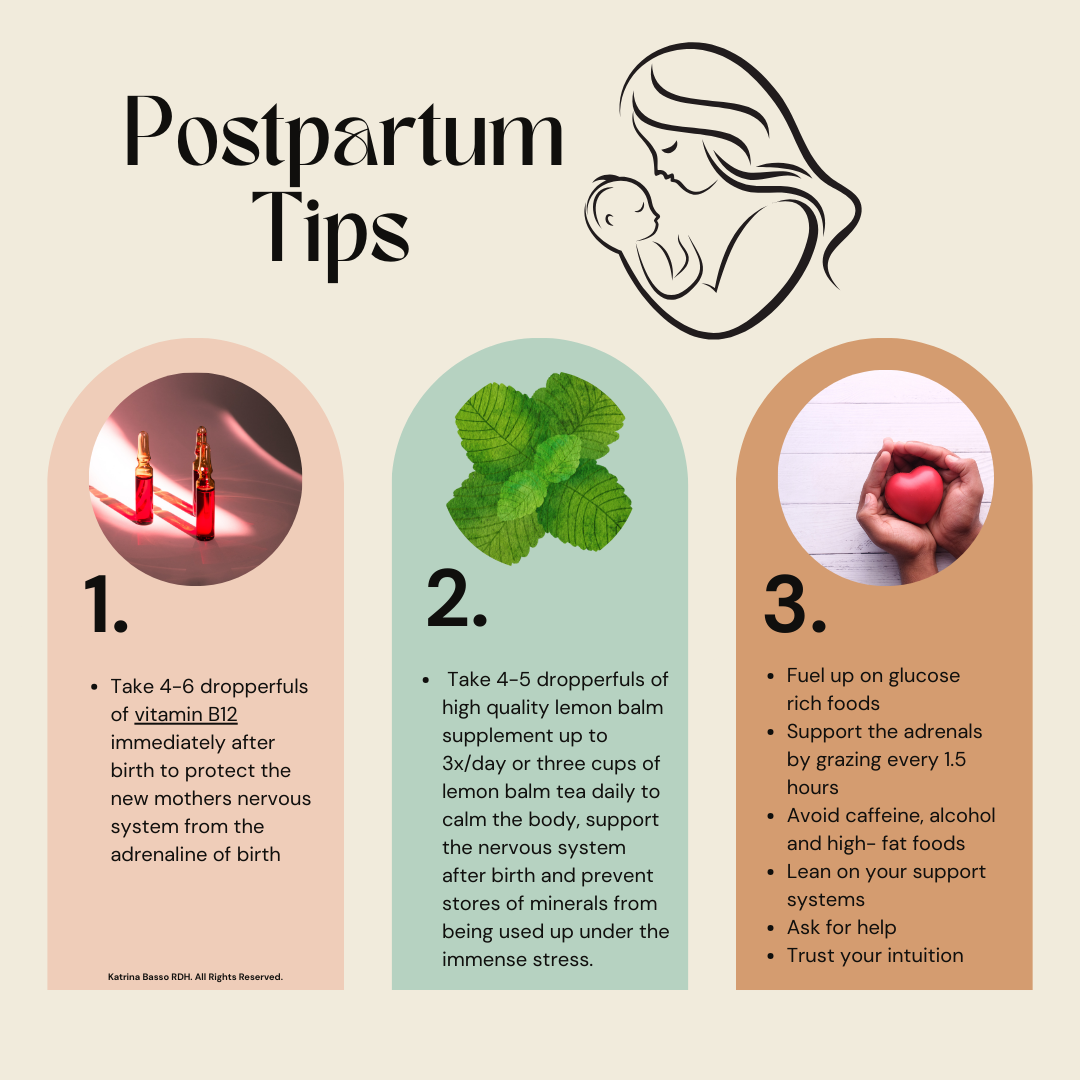
Postpartum Tips: Take 4-6 dropperfuls of vitamin B12 immediately after birth to protect the new mothers nervous system from the adrenaline of birth. Bring in 4-5 dropperfuls of high quality lemon balm supplement up to 3x/day or three cups of lemon balm tea daily - a nervous system superstar to calm the body after birth and prevent stores of minerals from being used up under the immense stress.
Structural Support: Orofacial Myofunctional Therapy
Orofacial Myofunctional Therapy (OMT) is a specialized form of therapy that focuses on treating Orofacial Myofunctional Disorders (OMDs). OMDs are atypical adaptive patterns that emerge in the absence of normal patterns and functions of the orofacial complex, and are diagnosed at your initial dental hygiene appointment. The regular presence of abnormal patterns may affect dental development, facial growth and development, feeding, chewing & swallowing, speech, sleep, breathing, orthodontic stability, facial aesthetics and overall oral-systemic health. OMT is integrated into the dental hygiene treatment plan when needed, working to improve and stabilize the function and coordination of the muscles of the head, neck and mouth, addressing issues such as mouth breathing, incorrect swallowing patterns, speech difficulties, dental issues, and breathing disordered sleep. As of February 2025, the American Academy of Paediatric Dentistry (AAPD) has formally recognized the critical role of orofacial myology in paediatric care and health prevention. While everyone has the option to utilize this service through their dental hygiene care plan, orofacial myology should always be discussed and utilized for those age birth to six years. The crucial role of orofacial myology in guiding normal growth and development of the craniofacial-respiratory complex, and in health prevention and maintenance cannot be understated.
1:1 Support
Individualized care before, during and after pregnancy is one way to support the health of the mother and the baby. At a 1:1 visit, we will review your medical and dental health history to better understand what your body is up against, how your history may impact your pregnancy and the health of the developing baby, and how to best support you through this chapter through the use of nutritional protocols, ensuring the muscles of the face, head and neck are functioning optimally, and addressing any structural issues that may be impacting breathing, sleep, and oral hygiene. This service is offered through Mobile Dental Hygiene or in-clinic at St. Jacobs Dental Care. You can learn more about pregnancy, birth and postpartum here.
In sustained health,
