Oral Milestones & Early Child Development
While understanding oral milestones and child development is a topic that takes many years to learn and teach, paediatric oral health is the foundation of longterm health and development, and understanding key principles and milestones can help us protect and guide children into their highest growth potentials.
In the Beginning
An infant's parents, their gestation (time in the womb) and their birth play a critical role in shaping their nervous system, which in turn affects their ability to breathe, latch, feed, sleep & optimally develop. These early experiences related to these patterns are pivotal for establishing healthy lifelong functions.
Research shows that a natural, undisturbed birth, along with skin-to-skin contact during the first hours, leads to improved outcomes for the way babies establish the breathe, suck, swallow rhythm. The breast crawl, whereby a baby instinctively seeks the breast for feeding, is imperative to long term nervous system, brain, feeding & muscle development, and is often the first step to restoring optimal feeding for infants who missed this milestone after birth and are struggling with feeding in the early weeks.
The Global Media Health Project Breastfeeding Series video Breastfeeding in the First Hours After Birth is a cornerstone resource for parents, practitioners and those who spend time with infants.
Maintaining continuous closeness between the mother & baby during the initial hours after birth is vital for promoting healthy bonding and development. Like other mammals, the baby’s natural habitat is the mother, and the baby’s natural food is breastmilk.

Breastfeeding
After breathing, a baby’s ability to optimally feed is their first Earth-side milestone. Initiating breastfeeding is a complex dance between mom & baby, with multiple factors influencing the depth, length and duration of the connection. This act directly influences an infant’s oral-systemic health for the rest of life.
Breastfeeding is the physiological norm and expectation for human babies for the duration of infancy, which ends with the third year. The global norm for breastfeeding is four years of age.
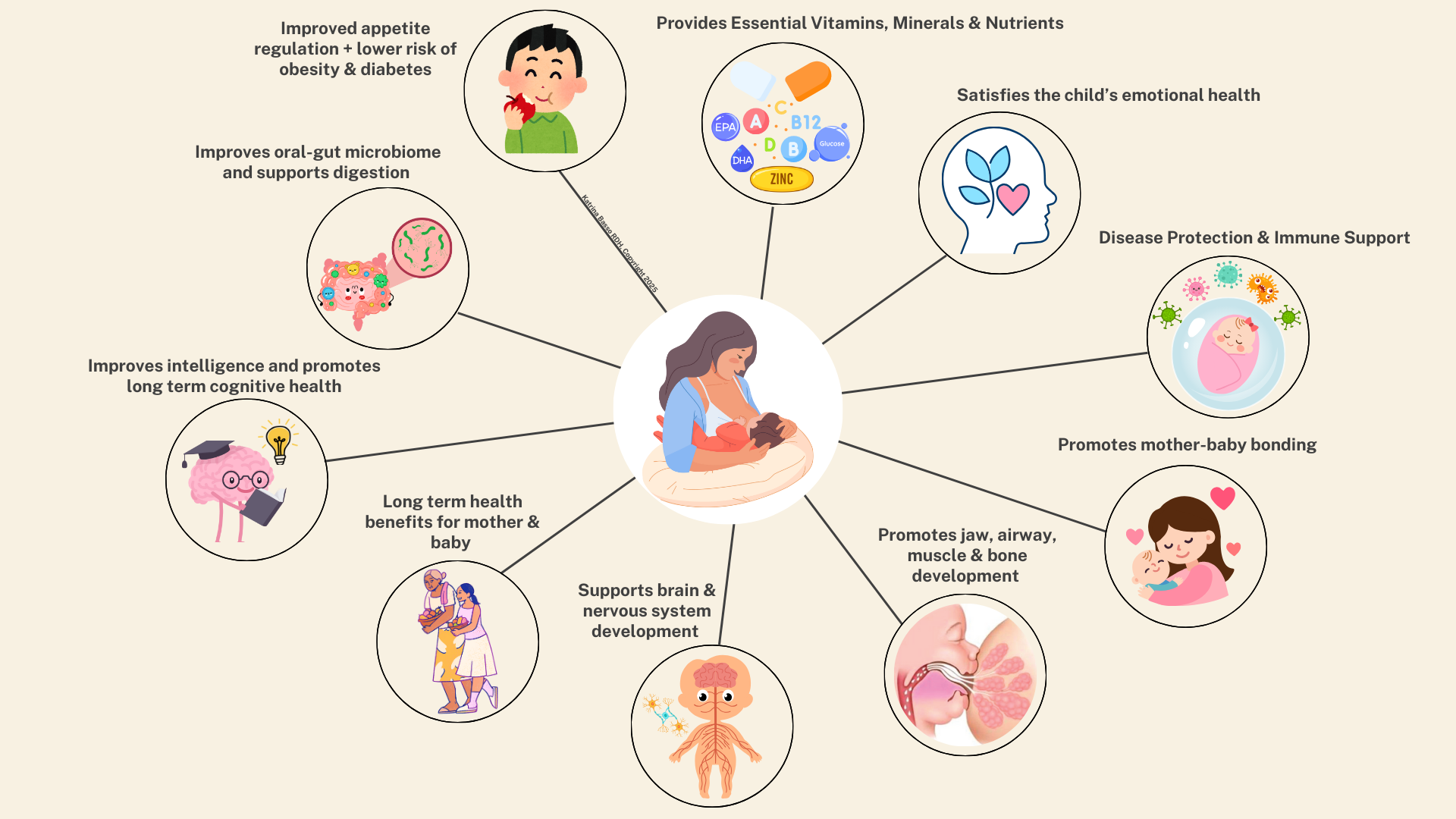
Breastfeeding is one of the most effective ways to ensure child health and survival. Contrary to WHO recommendations, fewer than half of infants- only 1 in 2 (48%)- under 6 months old are exclusively breastfed. This rate rapidly declines further at 6-12 months of age, despite human infants biological expectation of breastfeeding until the end of infancy.
Breastmilk is the natural and expected food for infants. It is safe, clean and contains antibodies which help protect against childhood illnesses.
Breastmilk provides all the energy and nutrients that the infant needs for the first months of life, and it continues to provide half or more of a child’s nutritional needs during the second half of the first year, and up to one third during the second year of life.
Breastfed children perform better on intelligence tests, are less likely to be overweight or obese and have better health outcomes through life. Women who breastfeed also have a reduced risk of breast and ovarian cancers.
Inappropriate marketing of breast-milk substitutes continues to undermine efforts to improve breastfeeding rates and duration worldwide.
Breastfeeding Recommendations
WHO and UNICEF recommend that children initiate breastfeeding within the first hour of birth and be exclusively breastfed for the first 6 months of life – meaning no other foods or liquids are provided, including water.
Infants should be breastfed on demand – that is, as often as the child wants, day and night. No bottles, teats or pacifiers should be used.
After the age of 6 months, children should begin eating safe and adequate complementary foods while continuing to breastfeed for up to two years of age or beyond.
Breastfeeding Promotes Healthy Development
Muscle Development: The sustained suckling motion during breastfeeding actively engages and strengthens the facial and jaw muscles, promoting proper muscle and bone development. The extrinsic muscles of the tongue are responsible for the position of the tongue in the mouth (up/down, in/out) and correlate with future gross motor expression, while the intrinsic muscles shape the tongue (widen, flatten, narrow, shorten etc) and correlate to future fine motor skills. The motor movements of the tongue shape future muscle development of the entire body, and and are indicative of brain and neurological development & health.
Jaw and Palate Growth: The tongue's pressure against the soft palate during nursing expands the upper palate, creating a wider dental arch and reducing the likelihood of misaligned teeth. This pressure helps grow and shape the jaws.
Proper Tongue Position: Breastfeeding encourages the tongue to rest in its proper position at the top of the mouth. This helps maintain an open airway and promotes nasal breathing, which is crucial for healthy oral development.
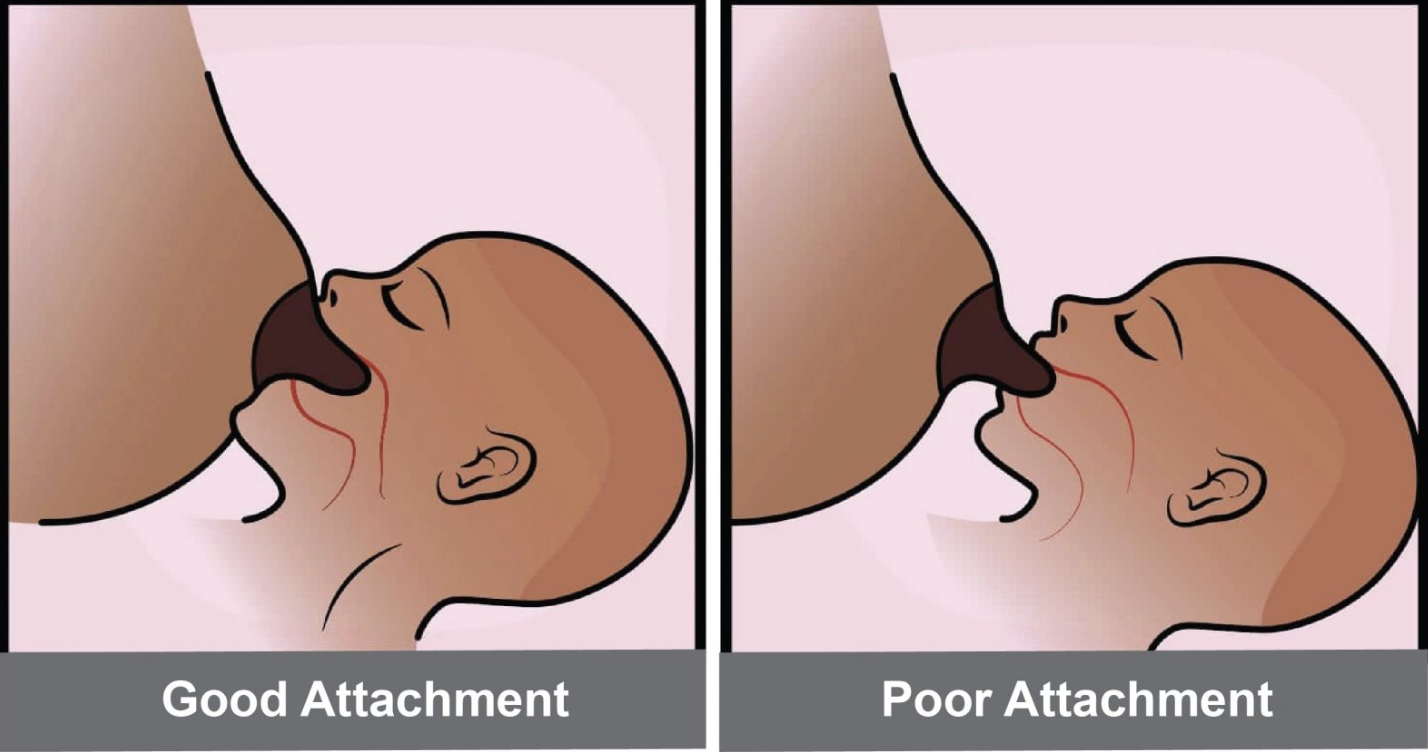
Nasal Breathing: When a baby is properly latched onto the breast, they instinctively breathe through their nose. This promotes normal oral muscle development and swallowing patterns.
Barriers to Breastfeeding
Below are factors that may negatively impact breastfeeding or act as barriers to the depth, length and duration of the connection:
1. Maternal Barriers: Physical & medical issues, perceived insufficient milk supplies, knowledge & information gaps on the biological necessity of infant breastfeeding, along with workplace barriers, and emotional and physical wellbeing can impact breastfeeding.
2. Infant Barriers: Birth interventions, mother-baby separation after birth, latching and feeding difficulties, pre-term birth, structural issues & OMDs, and illness impact a baby’s ability to feed.
3. Socio-environmental Barriers: Lack of support from partners, family and friends, cultural norms & stigma surrounding breastfeeding, workplace and systemic issues, healthcare system factors, formula marketing and unrealistic expectations of infant independence all shape and impact breastfeeding.
Sleep
Humans, like other mammals, are a co-sleeping species, throughout their entire life. Human babies are meant to rest upon their mother’s body in the early months of life- this is a biological need and expectation of the mother-infant brain and nervous system until the end of biological infancy, at age four. However, neurologists and child development specialists suggest biological sleep is necessary throughout life. Globally, the average age for bed-sharing is around 7-9 years of age. In the West, trendy names such as co-sleeping and bed-sharing, along with social media influence & personal opinion marketed as truth, undermine the fact that safe, biological sleep is foundational to the health and well-being of both the mother and the baby.
Our beliefs and decisions about children’s sleep are more a reflection of the culture we live in than the scientific evidence for what’s best for children, says anthropologist James J. McKenna, in many of his 150 scientific articles on children’s sleep. McKenna is director emeritus of the Mother-Baby Behavioural Sleep Laboratory at the University of Notre Dame, and author of Safe Infant Sleep: Expert Answers to Your Cosleeping Questions.
McKenna’s conclusions, supported by research from other anthropologists and developmental scientists over the last 30 years, have thrown him into direct conflict with the American Academy of Pediatrics over recommendations about where babies should sleep. “Separately,” say the paediatricians. “Together, but safely,” McKenna and his colleagues say, supporting the natural biology of the human species. You can read more here.
Benefits of biological sleeping:
Improved Physiological Regulation: When parents and babies sleep together, their heart rates, brain waves, sleep states, oxygen levels, temperature, and breathing influence one another.
Improved Mother-baby sleep: When adults and babies sleep together, they sleep more lightly and rouse more often. Though that might sound undesirable, it is safer, especially in the first few months of life, creating more opportunities for caregivers to check on their babies & for babies to recalibrate their breathing to the adult’s breathing. That lighter sleep, or REM (Rapid Eye Movement) sleep, is also crucial for synaptogenesis, the rapid growth of connections between neurons, in newborns. Cosleeping leads to longer sleep for both the parent and baby and improved cognitive health.
Adequate sleep: sleeping together helps lower the rate of postpartum depression, and helps parents make better decisions and experience improved daytime emotional regulation.
Reduced Stress and Better Sleep: Babies and mothers experience less stress when they sleep close together, leading to lower levels of cortisol (the stress hormone), especially important for the developing brain.
Better Parenting: Studies find that dads who co-sleep have lower levels of testosterone, and are more likely to make healthier daytime decisions for the family’s wellbeing. Parents are more emotionally sound and responsive when they sleep with their young.
Stronger Connection: Physical touch and sensory cues, including a parent's heartbeat and scent, promote bonding and attachment, helping the baby feel secure and loved, supporting brain safety through the night.
Ease of Breastfeeding: Having your baby close by allows for ease of breastfeeding, with minimal disturbance to the wake-sleep cycles of both the parent and child, as compared to parents who have to wake and go to their baby, often turning on lights, changing the baby or using electronics, which interferes with natural cycles, and makes sleep more difficult.
A baby and mother’s brain and nervous system that is being supported on a deep, neuro-biological level will impact every facet of their growth and development together. Safe, and healthy sleep and feeding cycles established during the formative years sets the stage for optimal growth and development long-term, and impacts the future sleep, feeding, brain health and expression throughout a child’s life.
For other resources on infant sleep and development:
The Nurture Revolution - Greer Kirshenbaum, PhD is a neuroscientist, infant & family sleep specialist & doula
Birth work as Care work- Alana Apfel
Raising Securely Attached Kids- Eli Harwood, MA, LPC
Across all species, biological sleeping plays a main critical role: safety, comfort and co-regulation.






Before tooth eruption
Establishing healthy breastfeeding and sleep is foundational to oral health, growth & development, and sets the stage for more complex learned behaviours related to sleep and feeding. Let’s take a look at how feeding and movement change as the baby matures.
Prior to the first teeth erupting, your baby will exhibit transitional development signals that can include:
Hands to mouth: around the age of three months, you’ll notice your baby finding their hands. They will begin looking at them, playing with them, and putting them in their mouths. Not only is this bilateral hand to mouth movement preparing them for future crawling and eating, they are also learning that they are contained within a physical body that has “limits”, ie: their hands. (Around 6 months of age they will begin finding their feet, which helps prepare them for crawling, standing and later, walking).
Drooling: you may notice around the time your baby finds their hands, they are drooling more often as well. This is normal as the digestive system matures, and the oral cavity prepares for new milestones, behaviours and functions.
Communicating: around 3 months of age, your baby will find their voice, and begin making different sounds, cooing and babbles to express themselves
Rolling: from 4-6 months, your baby will master rolling from tummy to back, and back to tummy. This skill builds neck and core strength, improves balance and coordination, and serves as a foundation for future movements like crawling and sitting.
Tooth Eruption
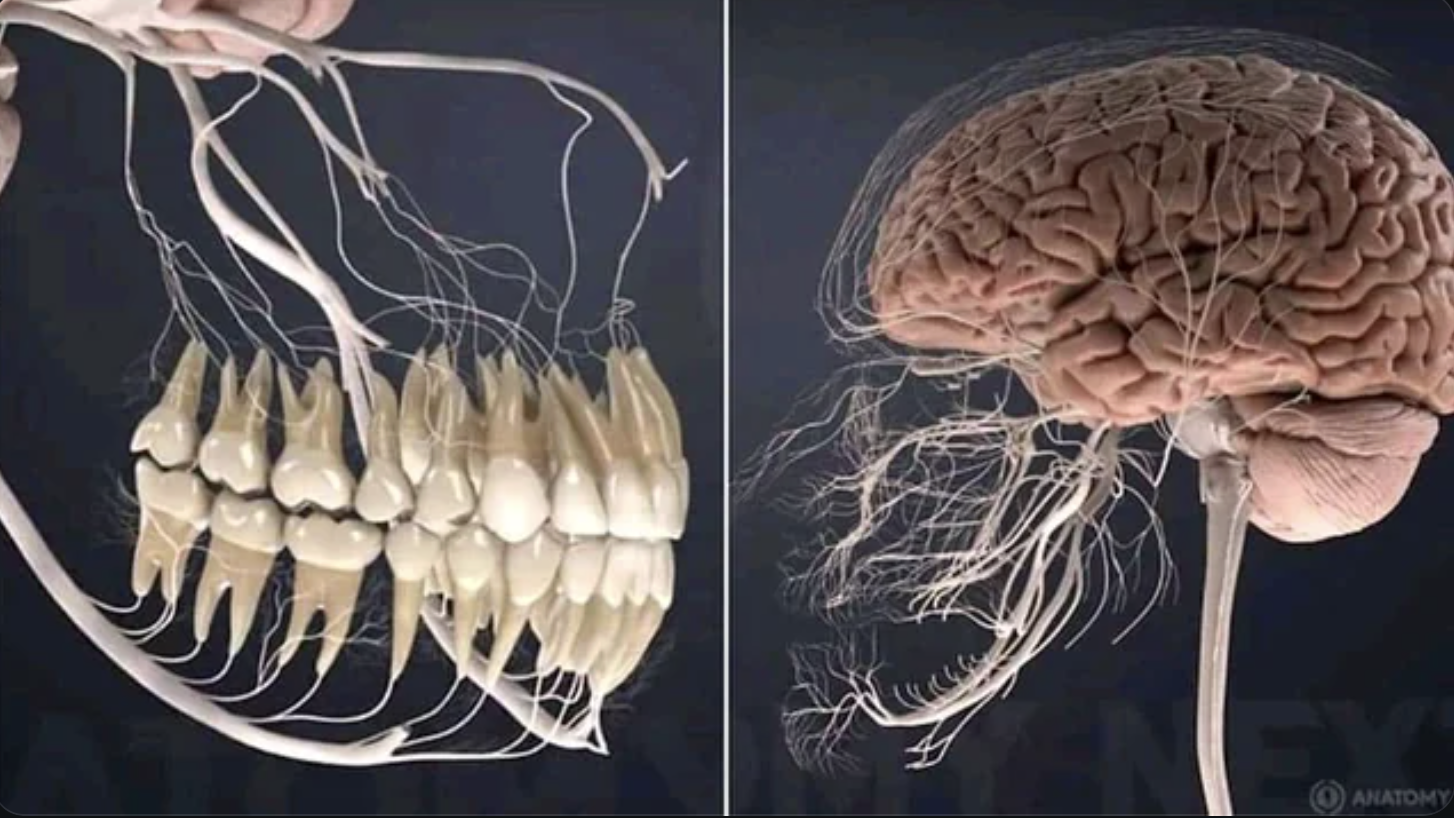
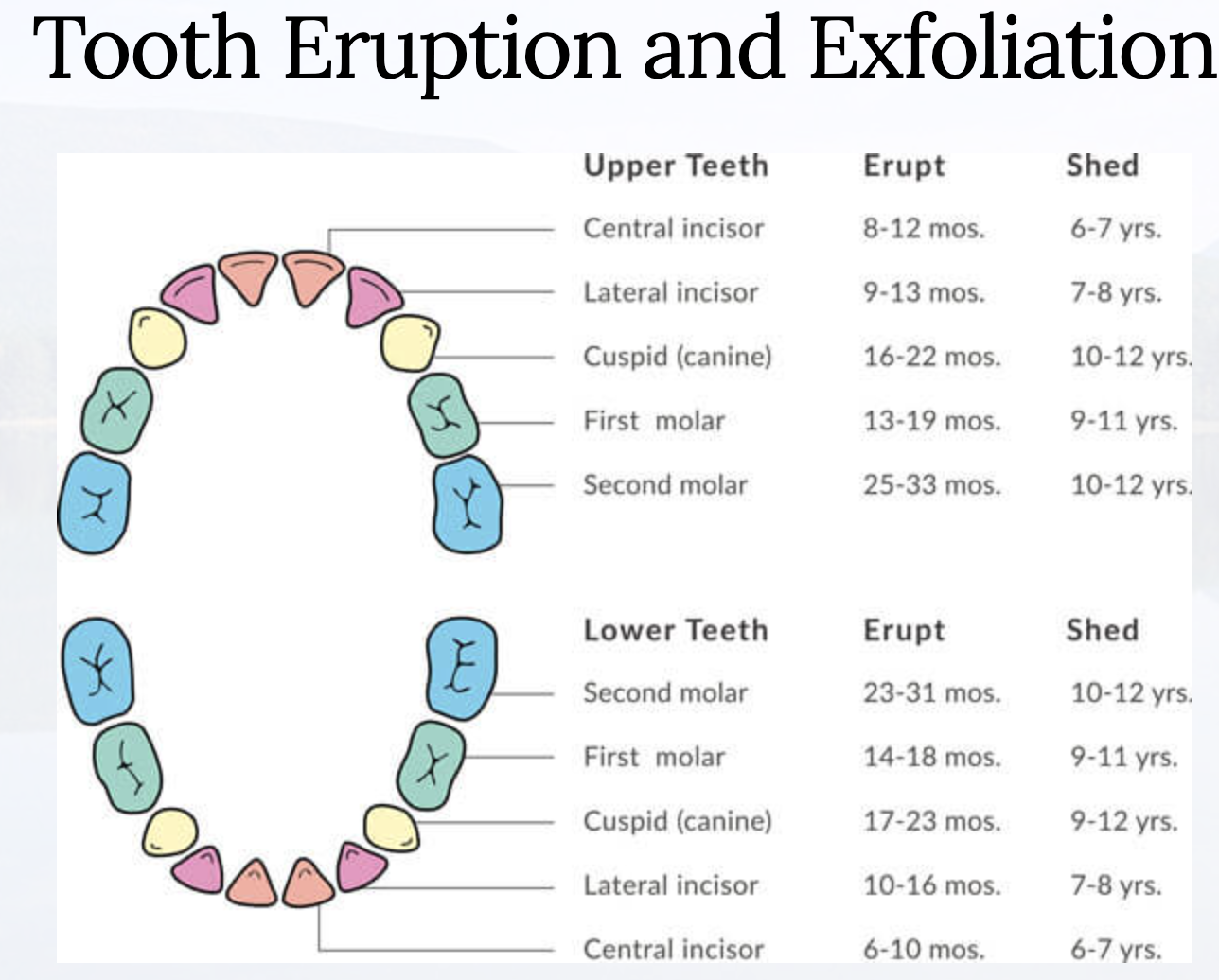
From six months, your baby will begin receiving their primary (baby) teeth. The order of tooth eruption is important, as it signifies optimal brain growth and development. The teeth and brain are highly interconnected, with the teeth providing feedback to the brain about the organs and systems of the body. Tooth eruption patterns coincide with gross and fine motor milestones that accompany them. It is considered abnormal for teeth to erupt late, or out of order. Like other mammals, tooth eruption signifies a child’s neurobiological age, and can sometimes differ from their chronological age.
6-9 Months
Babies first tooth arrives around 6 months of age.
The eruption of the two bottom front teeth follows the rolling milestone & tripod sitting (around 4 months), and coincides with the independent sitting milestone, signalling midline balance and a more mature core.
When the two bottom front teeth have fully erupted, pureed food introduction may begin.
Before food introduction, ensure your baby is fully sitting on their own without toppling, can grab items in front of them and bring them to the mouth without toppling and shows signs of food interest. Watch for signs it is too early, such as the tongue thrusting forward when swallowing, and slouching or toppling while sitting.
While modern society and conventional feeding habits can pressure both mom and baby to start solids at six months, it is important to follow your baby’s maturity and readiness.
Purees are the biological expectation for the brain-body at this time. Traditionally, this method is called “kiss-feeding” whereby the caregiver will pre-chew fruits and vegetables to give to their baby to try. These simple foods are pre-digested, making them easier on the still immature digestive system, in preparation for a more varied and complex diet later on.
Feeding foods that require chewing and more mature oral motor movements before it is neuro-biologically appropriate can lead to aversions to trying new foods, choking, gagging and digestive upset as well as frustration for both baby and parent. We can inadvertently trigger feeding and swallowing issues when we rush infant feeding.
Remember, feeding under one is just for FUN and breastmilk is still the main source of nutrition!
With this increase to core stability you may notice your child sleeping through the night, and transitioning to a two-nap schedule during the day around this age.
9-12 Months
Baby’s lateral incisors (on either side of the front teeth) erupt at this time, and go hand in hand with crawling- a cross-lateral movement.
Crawling is a fundamental milestone- it uses the brain to develop and stimulate communication between the left and right hemispheres via the corpus collosum, an important band of nerve fibres. This coordinated, contralateral movement of opposite arms and legs build connections that are foundational to cognitive functions, problem-solving, spatial awareness, & learning abilities throughout life. As infants begin to crawl, they engage in a complex process of sensory exploration and integration.
This exploration and integration extends to eating. By 9-10 months, baby’s are exploring a wide variety of textures, temperatures & tastes of fruits, vegetables and leafy greens and are beginning to feed themselves with a spoon.
12-24 Months
By age one, your baby’s lower jaw is 60-70% of it’s adult size. Eruption of the molars occurs during this 12-24 month period, and signifies increased stability, independence and balance in the body. The 12 month molars go hand in hand with walking independently, as well as eating more independently.
Eruption of the molars signifies baby is ready for active chewing, and this goes hand in hand with more mature oral-motor control for managing more complex foods. It is now an appropriate time to begin offering more “adult-like” foods, or what social trends refer to as “baby-led weaning”- foods that require more active chewing during this stage of rapid development, rather than those that are pre-digested (pureed, blended or mixed consistencies).
Independence and a child’s ability to “do it myself” flourishes at this time. They can help pick out clothes, follow simple direction, and help with household tasks.
Between the age of 18-24 months, a healthy child will be toilet trained. In 1957, 92% of children were out of diapers by 18 months of age and this stayed consistent into the late 90s. Today’s numbers show that 4% of modern children are toilet trained by age two, 22% by the age of 2.5 and only 88% by age 3. A mixture of factors is at play including brain and nervous system health of the child, cultural views of the parents, as well as lack of time spent at home in healthy routines observing adult behaviour and lack of caregiver knowledge regarding appropriate child milestones. Understanding milestones helps us understand and guide our children through their growth, and also gives us feedback as to where our child’s development is at, so we may seek help when appropriate to ensure our child is developing and supported to their fullest at every age and stage.
24-60 Months (2-5 years)
All 20 primary teeth are present by age three, which help in forming proper speech, chewing and swallowing. These teeth act as placeholders, guiding the eruption of permanent teeth later on and require the same level of care as permanent teeth to prevent early decay and maintain gum health.
Tips for Parents:
Routine Brushing: Establish a consistent brushing routine to keep baby teeth free from plaque and decay.
Regular Dental Visits: It is recommended for children to be seen at the first sign of oral-motor concerns, and if there are none, the first dental visit should be scheduled around six months of age, or within 6 months of the first tooth eruption. Maintain regular dental check-ups with a preventative specialist every three-six months to monitor your child’s development.
The fourth birthday signifies the end of neurobiological infancy. By age 3-4, the weaning transition from liquids (breastmilk) to solids is almost complete. Your baby will be mastering all they have learned during this time: feeding themselves with utensils, drinking from an open cup, straw drinking, chewing with the lips closed, swallowing correctly, and following social cues surrounding eating such as helping prepare the table, getting in their seat around the table, saying prayers and helping to tidy up.
The first three years sets the foundation of a child’s eating habits throughout life. It is important to maintain a proper human diet focussing on whole foods (fruits, vegetables, herbs and wild foods) during this time, avoiding whenever possible addictive foods such as baby pouches, baby cookies & crackers, processed foods, chocolate, pop & other sources of caffeine, food dyes & natural flavours, MSG, processed sugars & canola oil as well as troublemaker foods like dairy, eggs, gluten, soy, pork & corn which actively feed “bad” bacteria in the mouth, and contribute to the inflammation and oral disease process.
By age 2-3 your child will be eating three meals daily, along with three or more snacks, spaced approximately 1.5-2 hours apart. Humans are a grazing species & children often prefer this method of eating versus conventional eating patterns & large meals.
Consuming a healthy snack every 1.5- two hours helps maintain stable energy & moods, and keep blood sugars level. Temper tantrums are a common sign of lack of adequate fuel throughout the day. The brain requires an abundance of glucose & minerals for regulation.
Tips for Parents: Keep a fruit or veggie tray on the table throughout the day, so your child can snack on healthy foods when they feel called to. This helps build our children’s intuition around hunger cues, and helps with self-regulation.
By age 5, the lower jaw is 85% of its adult size- this window of time is most optimal to guide a child’s emerging craniofacial growth and development, and establish positive home care habits that uphold your child’s highest growth potential.
Age 6-12 Years
Between the ages of 6-12 your child will be in mixed dentition- a time where they have both baby and adult teeth. The brain is rapidly changing, moving toward a more permanent scaffold for their next stages of learning & brain development. The biggest changes in brain development occur around age 6, 9 and 12 respectively, with changes to the teeth also occurring at this time.
During this phase, your child’s dental landscape changes dramatically. As permanent teeth begin to emerge, it’s essential to monitor the spacing and alignment of both sets of teeth. This period is also crucial for establishing oral habits that will influence the health of the permanent dentition. The mixed dentition phase can be a time when children are more susceptible to cavities, making it even more important to maintain diligent oral hygiene & nutritional care.
Orofacial Myology & Orthodontic evaluations typically happen by the age of seven. Addressing issues such as crowding, misalignment & oral habits early can save time, reduce the need for more extensive treatment later, and ultimately contribute to a healthier smile
Tips For Parents:
Regular Checkups: Schedule dental appointments at least twice a year to monitor the development of permanent teeth and address any alignment issues early.
Preventive Treatments: Ask your registered dental hygienist or dentist about orofacial myofunctional therapy, nutritional counselling and dental sealants.
Dietary Adjustments: Ensure your child’s diet includes an abundance of calcium, silica, and mineral rich foods to support the strength of their emerging permanent teeth, including barley grass juice powder, fresh green juices, citrus fruits, honey, dates, berries, bananas, potatoes and wild blueberries.
Adult Teeth
All adult teeth have typically erupted from the age of 20-25, which includes the wisdom teeth.
While it is a common practice to remove wisdom teeth, if they are not causing problems for the other teeth in the mouth, are healthy, and do not show signs of decay, infection or pain, like all other teeth, the goal is to keep them in the mouth.
Transitioning to Independent Oral Care
Transitioning to independent oral care means that children learn to manage their brushing, flossing, and other dental habits on their own. As children approach their teenage years, they start taking more responsibility for their oral hygiene. This transition can be challenging, but it’s a crucial step in ensuring lifelong dental health. This period is critical for establishing routines that will last into adulthood. However, parents must continue to monitor and guide their children to ensure that proper techniques are maintained.
Tips for Parents:
Set Clear Expectations: Create a schedule for brushing and flossing, reiterate through the home the importance of healing foods for oral health such as fruits, vegetables and leafy greens, and discuss the importance of consistency. Most importantly, lead by example, with love.
Regular Check-Ins: Even if your child is managing on their own, schedule regular dental visits to monitor their progress and correct any habits that may be developing.
Provide Positive Reinforcement: The teenage years are tough in many ways. If you notice your kids making healthy choices, upholding health habits, being kind and doing their best, acknowledge it with pride and admiration!
The Role of Regular Dental Checkups
While establishing a strong home care routine is vital, professional dental care plays an equally important role. Regular checkups allow your dental hygienist/dentist to monitor growth, detect early signs of breathing and airway issues, decay or gum disease, and provide preventive treatments that help keep your child’s smile in optimal condition. These visits are also opportunities for dental professionals to educate your family, update preventive measures, and address any concerns that may arise as your child’s teeth develop.
Early Detection: Catching issues like cavities, misalignments, breathing & airway issues, tongue-ties or gum disease early on can prevent more extensive and costly treatments later and improve overall health outcomes through life.
Preventive Treatments: Professional cleanings, Orofacial Myofunctional Therapy, airway screenings, nutritional care and sealants help developing teeth and establish oral hygiene.
Personalized Advice: Your dental hygienist can offer tailored recommendations based on your child’s unique needs, ensuring they receive the best possible care.
