Breastfeeding
Breastfeeding is the most natural, safe, and effective way to lay strong foundations for paediatric and life-long oral-systemic health
Many factors shape an infant’s gestation and birth. These factors play a foundational role in shaping the infant nervous system, in turn affecting the ability to breathe, latch, feed, sleep & optimally develop. The early experiences related to these patterns are pivotal for establishing healthy lifelong functions. Sustained, healthy connection drives the human species, starting from birth.
Research shows that a natural, undisturbed birth, along with skin-to-skin contact during the first hours, leads to improved outcomes for the way babies establish the breathe, suck, swallow rhythm. The breast crawl, whereby a baby instinctively seeks the breast for feeding, is imperative to long term nervous system, brain, feeding & muscle development.
The Global Media Health Project Breastfeeding Series video Breastfeeding in the First Hours After Birth is a cornerstone resource for parents, practitioners and those who spend time with infants, and I highly recommend taking time to watch this video while you’re here.
Maintaining continuous closeness between the mother & baby during the initial hours after birth is vital for promoting healthy bonding and development. Like other mammals, the baby’s natural habitat is the mother, and the baby’s natural food is breastmilk.

Breastfeeding
After breathing, a baby’s ability to optimally feed is their first Earth-side milestone. Initiating breastfeeding is a complex dance between mom & baby, with multiple factors influencing the depth, length and duration of the connection. This act directly influences maternal and infant health for the rest of life.
Breastfeeding is the physiological norm and expectation for human babies for the duration of infancy, which ends with the third year. The global norm for breastfeeding is four years of age.
Breastfeeding is one of the most effective ways to ensure child health and survival.
Breastmilk is the natural and expected food for infants. It is safe, clean and contains antibodies which help protect against childhood illnesses.
Breastmilk provides all the energy and nutrients that the infant needs for the first months of life, and it continues to provide half or more of a child’s nutritional needs during the second half of the first year, and up to one third during the second year of life.
Breastfed children perform better on intelligence tests, are less likely to be overweight or obese and have better health outcomes through life. Women who breastfeed also have a reduced risk of breast and ovarian cancers.
Inappropriate marketing of breast-milk substitutes continues to undermine efforts to improve breastfeeding rates and duration worldwide.
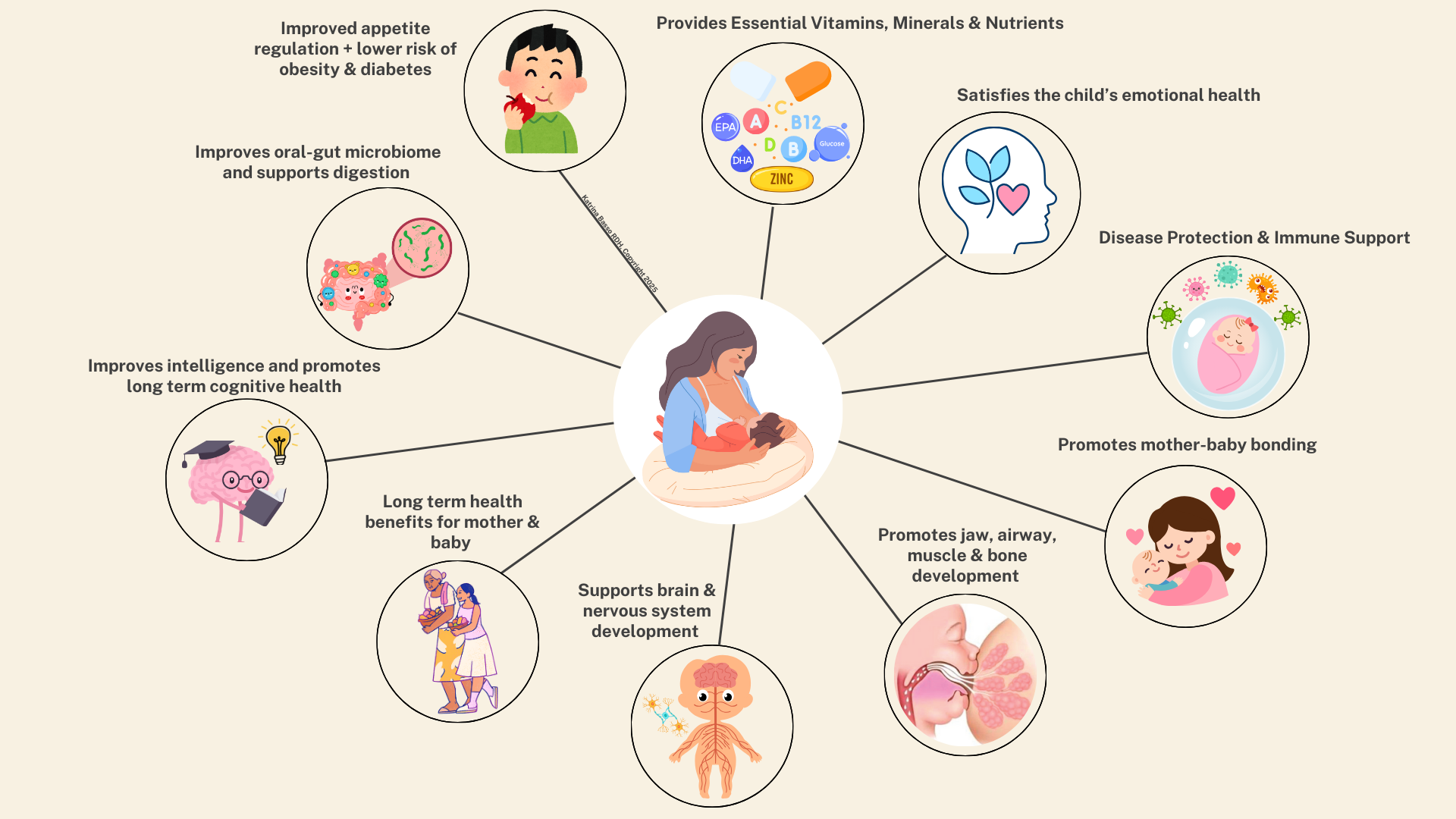
Breastfeeding Recommendations
WHO and UNICEF recommend that children initiate breastfeeding within the first hour of birth and be exclusively breastfed for the first 6 months of life – meaning no other foods or liquids are provided, including water.
Breastfeeding is recommended from birth to age 2 years and beyond (WHO).
Infants should be breastfed on demand – that is, as often as the child wants, day and night. No bottles, teats or pacifiers should be used (WHO).
After the age of 6 months, or once cleared by a health provider, children may begin eating safe and adequate complementary foods while continuing to breastfeed for up to two years of age or beyond (WHO).
While there are many reasons why individuals may choose not to breastfeed, including both maternal and infant factors, these factors are part of a larger story, and the root cause should be explored, and breastfeeding encouraged as often, and for as long as possible.
How Breastfeeding Works
Blood is the breast milk’s essential delivery system, carrying vital nutrients like proteins, sugars, vitamins, minerals and healthy fats to specialized cells (alveoli) in the breast, which then filter and transform them into milk. These cells extract nutrients from the blood supply, with hormones like prolactin triggering this process, creating milk that's customized for the baby's needs. Blood is the building block supplier for this complex fluid.
How it works
Delivery: Blood vessels surround the milk-making alveoli in the breast.
Extraction: Alveoli cells pull nutrients (glucose, amino acids, healthy fats, vitamins, minerals) from the blood.
Synthesis: These components are combined and transformed into milk.
Ejection: The hormone oxytocin causes cells around the alveoli to contract, pushing milk into ducts for the baby to feed.
Key takeaways
Blood is the source: Your body uses what's in your blood, which comes from your diet, to make milk.
Not direct from food: Milk isn't made directly from the food you eat; food is broken down through digestion, and components of food (glucose, amino acids, vitamins, minerals) enter the blood for use.
Adaptable: Breast milk changes to meet the baby's needs, even with a less-than-perfect diet, because the body prioritizes milk production.
Breastfeeding Seeds the Gut
Breast milk contains its own diverse community of bacteria, and studies show that a significant portion of an infant's gut bacteria is transferred from the mother’s skin, areola and breast milk, supporting healthy bacteria transfer. Good oral bacteria means good gut bacteria, which is foundational to life long health.
Bacteria transferred from the breast milk helps educate and prime the infant's developing immune system by teaching it to distinguish between harmful and beneficial bacteria.
Human milk contains prebiotics and probiotics that selectively feed and promote the growth of beneficial bacteria in the infant's gut and help establish a healthy infant gut microbiome.
This initial seeding and nurturing of the gut microbiome during infancy has lasting implications for the child's health, influencing factors like metabolism, digestive health, immune responses, behaviour, mood and cognitive function via the gut-brain axis.
The oral microbiome is second largest in the body, next to the gut. The oral cavity prepares the digestive system for what is “coming down the line”, and along with the gut, human milk seeds the oral cavity and the brain.
Formula vs. breast milk: Even when formula is supplemented with prebiotics and probiotics to mimic breast milk, the resulting gut microbiome in formula-fed infants is consistently different from that of breastfed infants. The synthetic and animal based ingredients in formula feeds pathogens in the body, allowing them to proliferate, often contributing to infant health symptoms.
Breastfeeding Improves Oral Health
Breast milk contains antibodies and antimicrobial proteins that inhibit the growth of cavity-causing bacteria, particularly Streptococcus mutans, actively seeding the gut with good bacteria, reducing the risk of early childhood caries and cavities throughout life.
Breast milk strengthens the immune system against harmful pathogens and environmental toxins which are at the root of dental cavities. On the other hand, consuming processed foods, including formula, have known health risks and are associated with multiple health symptoms, including early onset disease.
Antibodies in breast milk help protect against infections in the mouth and the rest of the body.
Breast milk provides safe nutrition for human health and development because it is a the human species natural first food. These nutritional benefits, such as essential vitamins, minerals and glucose are necessary for brain and muscle development, bone and teeth health. The composition of human milk is tailored to the infant's needs for optimal growth.
Breastfeeding Promotes Healthy Development
Muscle Development: The sustained suckling motion during breastfeeding actively engages and strengthens the facial and jaw muscles, promoting proper muscle and bone development. The extrinsic muscles of the tongue are responsible for the position of the tongue in the mouth (up/down, in/out) and correlate with future gross motor expression, while the intrinsic muscles shape the tongue (widen, flatten, narrow, shorten etc) and correlate to future fine motor skills. The motor movements of the tongue shape future muscle development of the entire body, and and are indicative of brain and neurological development & health.
Jaw and Palate Growth: The tongue's pressure against the soft palate during nursing expands the upper palate, creating a wider dental arch. This pressure helps grow and shape the jaws. The sucking motion during breastfeeding helps the jaw and facial bones develop correctly, leading to a lower risk of airway issues and dental misalignment issues like cross-bites, overbites, and open bites.
Proper Tongue Position: Breastfeeding encourages the tongue to rest in its proper position at the top of the mouth. This helps maintain an open airway and promotes nasal breathing, which is crucial for healthy oral development.
Nasal Breathing: When a baby is properly latched onto the breast, they instinctively breathe through their nose. This promotes normal oral muscle development and swallowing patterns.Below are factors that may negatively impact breastfeeding or act as barriers to the depth, length and duration of the connection:
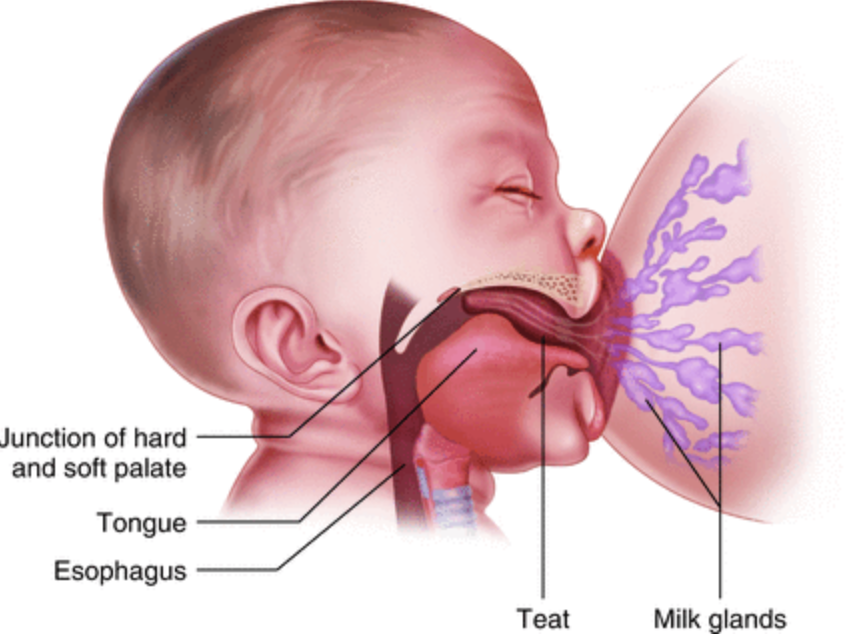
Photo courtesy of SpringerLink
Barriers to Breastfeeding
1. Maternal Barriers: Physical & medical issues, perceived insufficient milk supply, knowledge & information gaps in infant breastfeeding, along with workplace barriers, and emotional and physical wellbeing can impact breastfeeding.
2. Infant Barriers: Birth interventions, mother-baby separation after birth, latching and feeding difficulties, pre-term birth, structural issues, tongue and lip ties & OMDs, and illness impact a baby’s ability to feed.
3. Socio-environmental Barriers: Lack of support from partners, family and friends, cultural norms & stigma surrounding breastfeeding, workplace and systemic issues, healthcare system factors, formula marketing and unrealistic expectations of infant independence all shape and impact breastfeeding.
Supporting The Breastfeeding Mother
Offer practical help by taking on chores such as cooking, cleaning, laundry, shopping, or caring for older siblings to allow the mother time to rest and focus on her baby. This type of support is beneficial for at least the first six weeks postpartum.
Provide emotional support by offering your presence, encouragement and a listening ear. Avoid giving unsolicited advice, and remind her that she is doing a great job.
Encourage skin-to-skin contact, which is integral to the breastfeeding relationship, bonding, and mental health of both the mother and baby. Frequent skin-to-skin contact with the baby helps stabilize the infant and boost the mother's milk-making hormones. Human infants require around the clock skin-to-skin contact in the first months to help them adjust to life outside of the womb (known as exogestation or the 4th trimester), and knowing this allows parents to plan for this time prior to birth to best support the infant and the breastfeeding relationship.
Ensure the mother has a comfortable and private space to feed her baby. Mothers have the right to breastfeed anywhere, but a supportive environment can make a big difference. Breastfeeding times are an ideal time to offer the mother a snack of her own, a warm cup of herbal tea or to ensure her water bottle is filled.
Be patient and understanding. Breastfeeding can be challenging, and it's normal for a baby to feed frequently, sometimes up to 15 times a day.
Encourage rest. Until very recently, it was the norm for mothers to spend the first days and weeks postpartum in bed, and the first 100 days in the home, with a support system providing her with comfort, nurturance, support and healing foods. Help her prepare for this time beforehand by ensuring meal preparations and people are in place to help with daily tasks. Remind her that this is her time to rest and connect with her baby, not for a packed schedule. This is not only supportive of the mother, but integral to the new baby.
Reach out to your local church or community gathering places. Often, members will be happy to prepare meals or offer support in the early weeks postpartum. Lean on the communities you are a part of, without guilt or shame. Often, church communities will help with preparations and postpartum care regardless of your affiliation with them.
Ways to Promote Optimal Breastfeeding
Prepare your health and body before birth and breastfeeding.
Cultivate trust surrounding your natural, innate ability to grow, birth and feed your baby.
Eat a healthy diet & avoid harmful and non-nutritive foods.
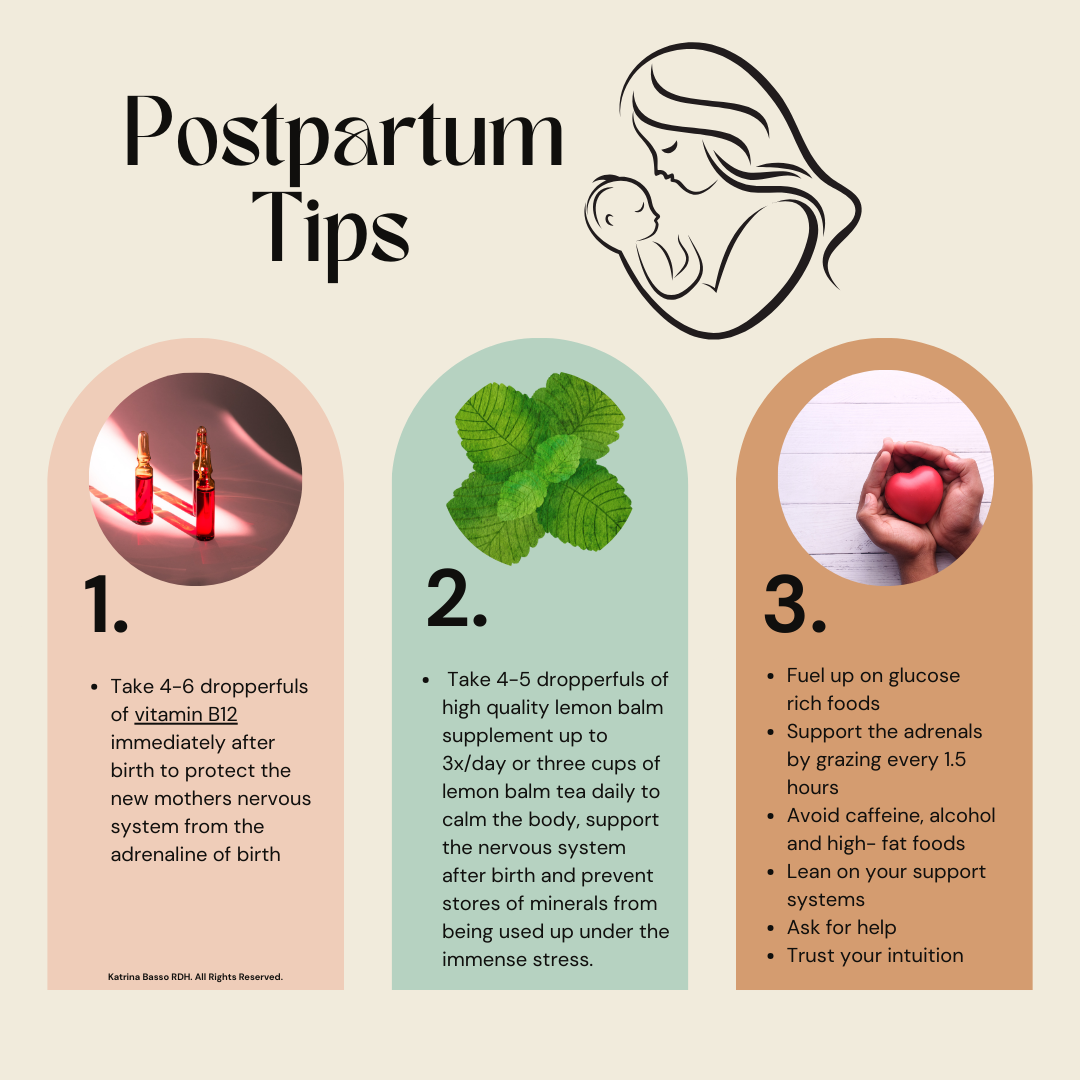
Snack or graze every 1.5 hours on healthy snacks to support the adrenal glands and milk supply.
Get plenty of sleep. Studies show that mothers receive more restful sleep when they sleep with their baby, despite waking frequently in the night to feed. This helps support milk supply and the breastfeeding bonding relationship.
Ensure you are hydrated. Consume lemon water, celery juice and coconut water daily.
Breastfeed every time your baby is hungry. Pay attention to their feeding cues rather than sticking to a feeding schedule.
It is normal for babies to feed frequently. Babies should be fed a minimum of 8 times per day, up to 15 times and sometimes more.
Ensure baby is latching well and off to a good start. Assess for oral ties and oral dysfunction at first signs of dis-order or concern.
Offer both breasts at each feeding.
Empty your breasts at each feeding.
Avoid artificial feeding aids such bottles and pacifiers unless medically necessary.
Relaxation and massage.
Be patient - breastfeeding can be challenging when underlying issues are present or unresolved.
Seek a skilled infant chiropractor, osteopath or cranio-sacral therapist who can help address issues that may impact breastfeeding and sleep.
Consult a lactation consultant or certified orofacial myologist. These professionals can provide personalized, expert advice for common issues, and help with identifying root causes of issues, aid in positioning, latching and supporting you through your journey.
Join a support group such as La Leche League International who can offer support and information from other mothers who have breastfed.
Essential Foods for Supporting Lactation
Lemon Water
Celery Juice
Cucumber juice and other green juices
1-3 cups of herbal tea daily
Wild blueberries
Papaya
All melon varieties
All berry varieties
Bananas
Apples
Pears
Steamed potatoes with avocado
Potatoes, sweet potatoes and squash varieties
Leafy greens (spinach, kale, mache)
Sprouts
Dates and figs
Spirulina
Barley grass juice powder
Coconut water
Raw honey and real maple syrup
Breast milk composition is as follows: 88% water, 7-8% glucose (or 95% “sugar water”), 1% protein, 3.8% fat. Fat content can fluctuate based on the time of day (higher fat in the evening), wellness of the child (slightly less fat when sick), and the child’s age (more fat in weaning milk). We can look to the composition of human milk to better understand the human diet, and what the body needs to thrive. 95% of the diet should be focused on living water and glucose found in fresh fruits, dates, leafy greens and vegetables, along with fresh made juices, smoothies, herbal teas, lemon water, coconut water, raw honey and real maple syrup. Healthy fats like avocado and proteins such as beans play a critical, though less prominent role in the human diet. Filler foods such as oats, millet, lentils, beans and rice are helpful foods for children as they go through developmental growth milestones in toddler years, ensuring their nutritional needs are met. Healthy fats such as avocado, coconut, coconut milk and tahini along with filler foods such as lentils, gluten-free oats, beans and millet are important in the breastfeeding diet to help maintain adequate calorie intake required for breast milk production.
Herbal Support
Goats rue, fenugreek and aromatic seeds such as anise, fennel, caraway, milk thistle and cumin are helpful for milk supply and production, lowering inflammation and soothing the body.
Thyme, comfrey and yarrow are necessary herbs for breast ailments such as painful breasts, clogged ducts, and sore nipples. Others include calendula, chickweed and slippery elm. Consume thyme tea daily as an act of prevention against mastitis and infections, while bolstering cognitive function, supporting memory, aiding in healing, soothing muscle tension and helping regulate sleep patterns of both mom and baby.
Lemon balm is an essential herb for supporting mental health, combatting stress, uplifting the spirit, dispelling melancholy and nourishing vitality. To further help in reducing anxiety, combine it with borage and motherwart.
Red raspberry leaf and nettle are essential herbs for supporting the adrenal glands, helping restore vitality to the body, supporting hair, skin, nails and teeth postpartum.
Consider a high-quality B12 and lemon balm supplement (see below).
Consume 1-3 cups of herbal tea with raw honey daily.
What to Avoid When Breastfeeding
Milk drying agents such as caffeine (chocolate, matcha, green & black teas, soda) and other stimulant drugs & alcohol
Dairy, eggs, gluten, soy
High fat-protein diet burdens the liver, contributing to dirty, thick blood thereby impacting breast milk
Processed foods and drinks
Refined, synthetic sugars
Fast food
Stressful environments
Chemical fragrances such as perfume, scented/ fragranced laundry soaps, dryer sheets, fabric softener, laundry scent beads, scented body lotions and other neuroantagonists such as scented candles that can disrupt hormones, interfere with the infant’s ability to establish the mothers scent, confuse the nervous system and disrupt sleep and feeding cycles.
Breastfeeding is a complex dance between a mother and her young. While breastfeeding is a learning curve for both parties, there are empowered steps that can be taken to ensure the highest degree of support during this time. For more information, or to receive one-on-one care or support, pregnancy, birth and postpartum services are available.
To the health & peace of mothers and their babies,
