Why Dental Issues?
Have you ever wondered why two people with similar diets can have completely different health outcomes—one struggling with frequent issues and the other with none? Each of us has our own unique blend of factors influencing and shaping our health. As the decades march on, daily environmental exposures and inherited imbalances from our parents and past generations compound, including mineral depletion, low hydrochloric acid, pathogen loads, and toxic heavy metals. No need to sound the alarm bells! The body works relentlessly each day to protect and filter through these challenges, with the liver playing a key role in our safe-keeping. Our body is the only place we have to live- offering support in keeping it clean, aligned and in balance allows us to thrive.
Understanding the underlying causes of dental health issues allows us to take a proactive approach to oral and bodily health for ourselves and those we love. Just as we are multifaceted, so too are the factors at play with our oral health. The key factors are listed below, offering insight into how our mouth and systemic health are interconnected:
Impact of Acidity
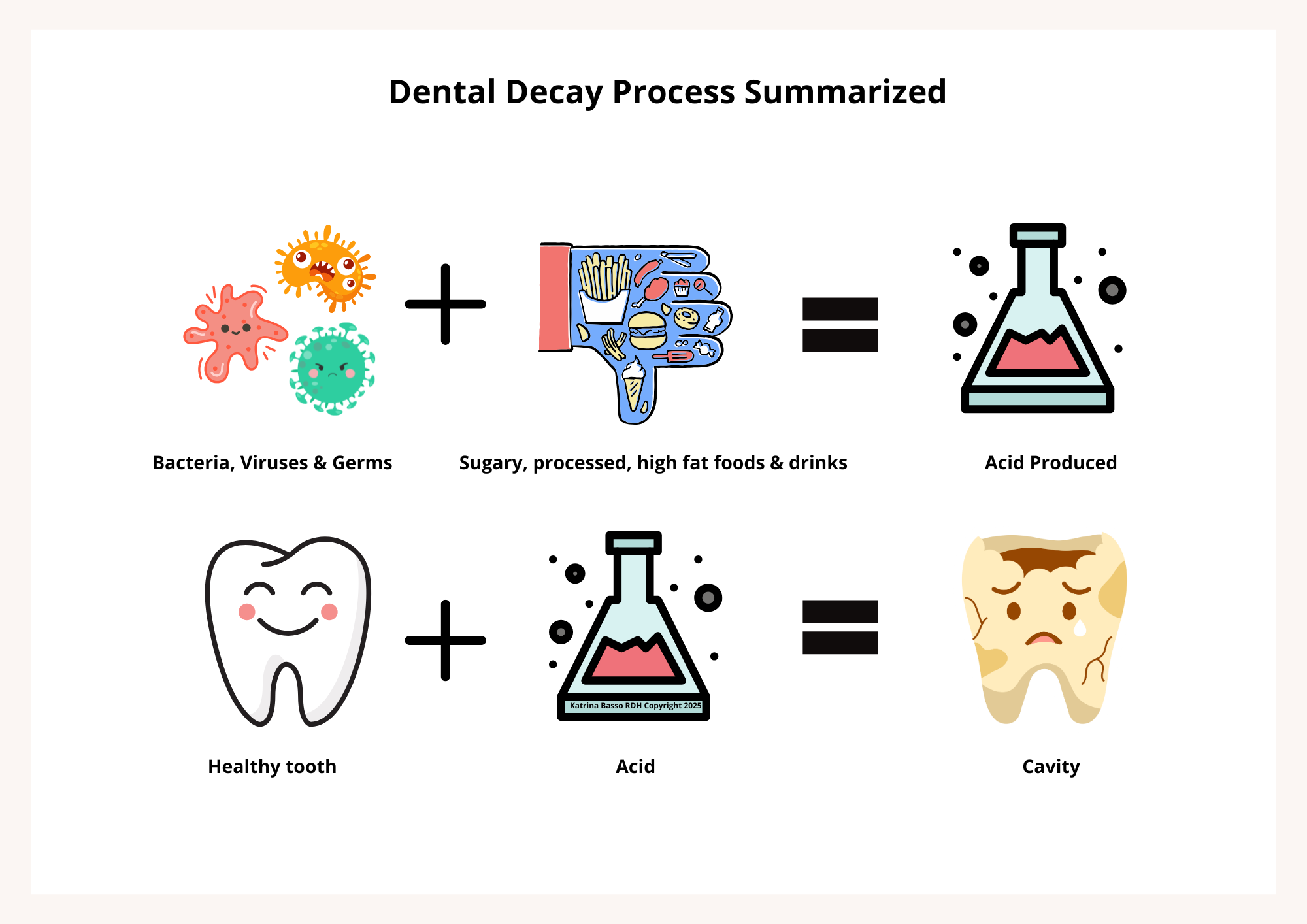
Acidity levels in the body play a significant role in dental health. The acidity we’re concerned with here is from bacterial and viral neurotoxins & dermatoxins, not from beneficial foods like lemons & oranges. Pathogens feed on foods such as processed sugars, dairy, eggs and gluten, as well as heavy metals and toxins in the body, and produce acids that lead to demineralization, dental decay, chronic infectious diseases and autoimmune conditions. Heavy metals, which are acidic nature, interact with essential minerals, depleting nutrients like calcium, which is crucial for balancing acidity. Foods like vinegar & coffee exacerbate acidity, while others, such as fruits, leafy greens, and silica-rich foods, help neutralize pH levels, promoting oral health. Contrary to popular belief, fruits are beneficial for oral hygiene, naturally cleaning the mouth, gums, and teeth.
Individual Factors
A unique combination of environmental factors, including exposure to city water, pesticides, chlorine, plastics, pathogens & heavy metals all influence oral health. These factors vary widely among individuals, and even within the same family, resulting in diverse dental health concerns. For those with higher accumulations of and exposure to these environmental factors, dental issues like cavities and decay may emerge earlier and progress more rapidly.
Low Hydrochloric Acid
Low levels of hydrochloric acid (HCL) in the stomach can contribute to cavities, tooth decay and gum recession. Diminished HCL production can lead to poor digestion, causing food to putrefy in the intestinal tract & produce harmful ammonia gas byproduct, which can erode teeth (William, 2023). Emotional stress and prolonged periods without eating further deplete HCL levels, compounding the issue. To support healthy HCL production, it’s essential to manage stress & maintain regular eating habits. Incorporating foods that naturally boost HCL levels include celery juice, papaya, ginger, peppermint, potatoes, tomatoes, cucumber, leafy greens, and wild blueberries. The three most important foods to avoid are dairy, eggs and gluten, as they feed pathogens. If bacteria are fuelling on their favourite foods, it will be extremely difficult to overcome health challenges. It can also be helpful to lower or eliminate animal protein while healing, as high- fat, high- protein diets exhaust the liver and force the stomach to overproduce HCL to compensate. (Fats also include oils, nuts and seeds, not just meat).
Pharmaceutical Impacts
While sometimes necessary for health management, pharmaceuticals can have adverse effects on oral health. For example, many pharmaceuticals contain heavy metals & other compounds that weaken the immune system over time. Additionally, many pharmaceuticals are acidic, which can harm teeth, though this effect is often overlooked.
Nutritional Deficiencies
Many of us come into this world with deficiencies, and children today are entering the world with up to 70% less bone density than ever before (Boyd, 2022). Deficiencies in critical nutrients including B12, zinc, manganese, calcium, and silica from birth can accumulate over time and impact dental health. Exposures to pathogens from schools and public spaces also contribute to these deficiencies. When illness occurs, the immune system rapidly depletes stores of calcium, zinc and other antioxidants, pulling resources away from maintaining dental health and weakening the structures of the bones and teeth over time. Vitamin C, essential for gum and tooth integrity, can also be affected by these ongoing deficiencies and illnesses, impacting overall oral strength and integrity.
Structural Issues
Certain oral habits can significantly influence the development and structure of the mouth, affecting various aspects such as facial growth and airway health. Common behaviours include thumb sucking, extended pacifier use, nail biting, lip sucking or biting, chewing on non-food items, and mouth breathing. These habits can lead to issues like dental crowding, overbites, and airway issues. When the tongue does not rest against the palate, there is increased risk of orofacial myofunctional disorders (OMDs), which can impact chewing, swallowing, sleep and speech. In many instances, these challenges stem from other underlying factors, such as nutrient deficiencies, low hydrochloric acid (HCL) levels, or heavy metal exposure, and can also be associated with bacterial buildup in the nasal passages.
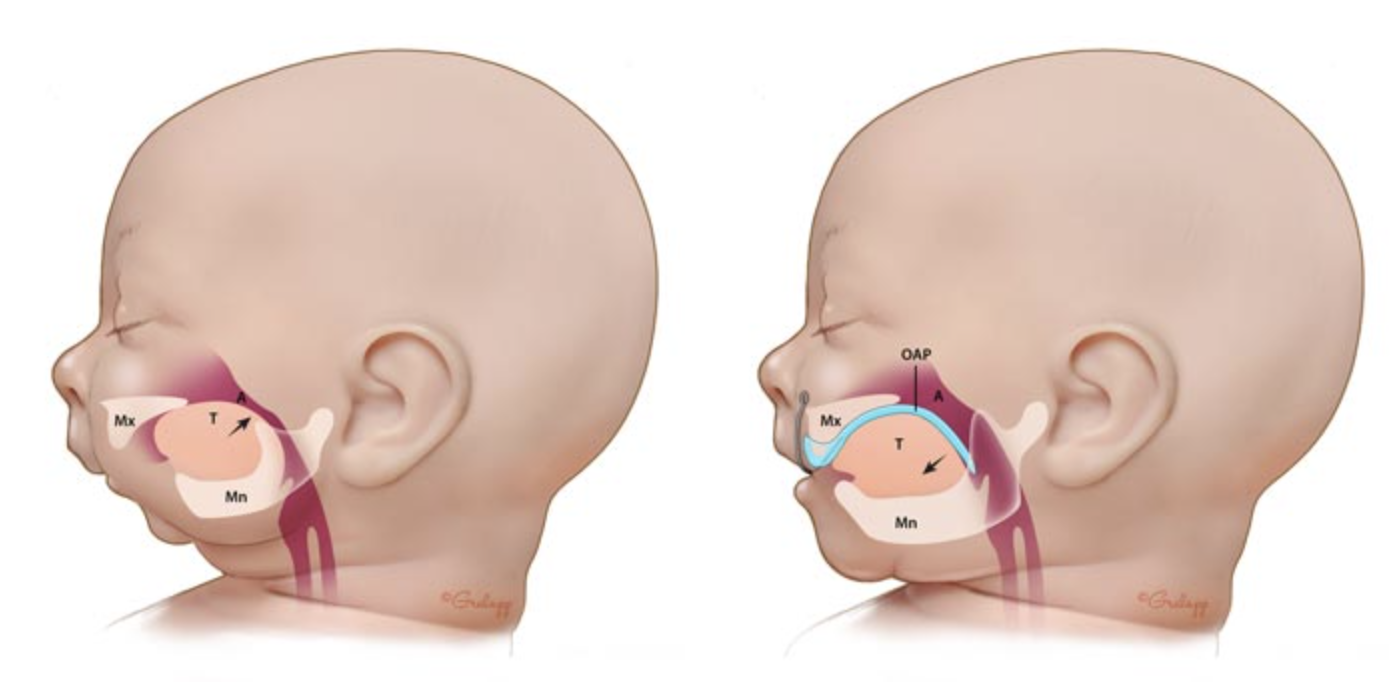
On the left, deficient skeletal growth, tongue and airway dysfunction. On the right, sufficient skeletal growth, optimal tongue placement and airway integrity. The growth and structure of the jaw is an indicator of overall development, and impacts an infants ability to breathe, feed, sleep and develop optimally.
Poor Oral Hygiene
We only get one set of permanent teeth! Maintaining consistent oral hygiene home care is critical for preventing tooth decay and gum disease. Inadequate brushing and flossing habits allow plaque to build up on the teeth, leading to the formation of cavities, gum inflammation, and bad breath. Without proper oral care routines, harmful bacteria in the mouth can proliferate, contributing not only to dental issues but also to other health issues such as heart disease, as these bacteria can enter the bloodstream. Regular brushing, flossing, and professional cleanings are foundational practices that support overall oral and systemic health.
Poor Dietary Choices
Have you heard the saying “You are what you eat”? The foods we eat play a direct role in dental health and have the capacity to heal, repair, and hydrate or harm, deplete and dehydrate. Diets high in processed sugar, vinegar, caffeine, extremely high in fat, and processed foods can not only fuel bacteria in the mouth that produce acids, leading to tooth decay, but also contribute to low HCL, demineralization, acidity in the body, dehydration and possible structural issues. In particular, sticky and sugary foods cling to teeth and are harder to remove, allowing harmful bacteria to thrive. On the other hand, a diet rich in whole foods like fruits, vegetables, leafy greens, herbs and other critical clean carbohydrates (think potato and squash) support oral health by providing essential minerals, nutrients and anti-oxidants that strengthen teeth and gums. What are you feeding your teeth?
Next Steps
While it can often feel daunting or stressful to deal with dental issues due to their nuanced nature, true oral health comes back to the basics: nutrition, smart supplementation, breathing & airway health, simple home care, and stress management. Here are some simple tools you can incorporate for lasting health support:
Nutritional Supplementation
Silica-rich foods for strength & repair: Asparagus, artichokes, broccoli, melons, leafy greens, aloe, cucumber, grapes, wild blueberries.
Bioactive calcium makes dairy unnecessary: Oranges, lemons & limes, collard greens & kale, broccoli and barley grass juice powder.
Include healing drinks daily: Lemon water, Celery Juice, parsley juice, and wheatgrass juice. The Medical Medium Heavy Metal Detox smoothie helps remove heavy metals safely and effectively, while remineralizing the body with spirulina & barley grass juice powder without disrupting existing metal fillings.
Daily staples include celery, wild blueberries, bananas & potatoes. Adding these regularly help build a foundation of strong health.
Herbs
Peppermint, marshmallow root, nettle, horsetail, red raspberry leaf, oat straw, rosehips, rosemary, parsley, oregano, thyme, gingko biloba, neem and clove are foundational to optimal oral health. Herbs contain some of the highest mineral content of all foods, including an abundance of naturally occurring fluoride.
Structural Support
Orofacial Myofunctional Therapy (OMT) is a practice that aids in the restoration of optimal oral functions, with a focus on restoring oral resting posture to improve sleep, breathing, feeding, swallowing and speech. It is a preventive dental health practice that is helpful for everyone, and is especially critical through the early years to help guide children into their highest expression as noted by the outward & forward growth of the jaws, housing a healthy, strong, aligned smile.
1:1 Support
For a treatment plan that is tailored to your unique medical and dental health needs, 1:1 support can be most helpful. It can sometimes be overwhelming making changes to our home habits that are sustainable and supportive, and that’s where specialized care comes in. Depending on where you’re at on your unique journey, booking an appointment to integrate your healthcare plan in a way that is aligned with your health goals may most helpful. Looking forward to working together!
