Understanding & Preventing Gum Diseases
“The mouth is a microcosm of the whole body.” - Dr. Robert O. Becker
The human body is a remarkable network of interconnected systems: each organ, tissue, and cell playing a fundamental role in maintaining overall structure, integrity, functionality and health. The bidirectional relationship of all systems, down to the complex molecular interactions that take place every second, allows us to participate in daily life, react and respond to our environment, and heal from injuries and illness. The mouth is often overlooked, despite being a critical player in understanding the deeper connections of health and life. One might go so far as to say that the answers to much of what we seek is staring us right in the face.
While avoiding cavities and having straight, pearly white teeth for Instagram hold significant value in modern society, our oral health goes far beyond what meets the eye. Our oral cavity is a reflection of the body's ecosystem- the main place where the disease progression of the entire body is witnessed in real time. As a dental health practitioner, I am constantly reminded of the multidimensionality of the mouth. Not only is it the home-place of essential functions like feeding and speaking, it is a direct mirror reflecting systemic health and lifestyle habits. By examining the mouth, we unlock a unique opportunity to identify underlying conditions, positioning dentistry as a cornerstone of preventive healthcare, for it is only in identifying and understanding the root cause of oral-systemic disease, that we can make meaningful and long-lasting change.
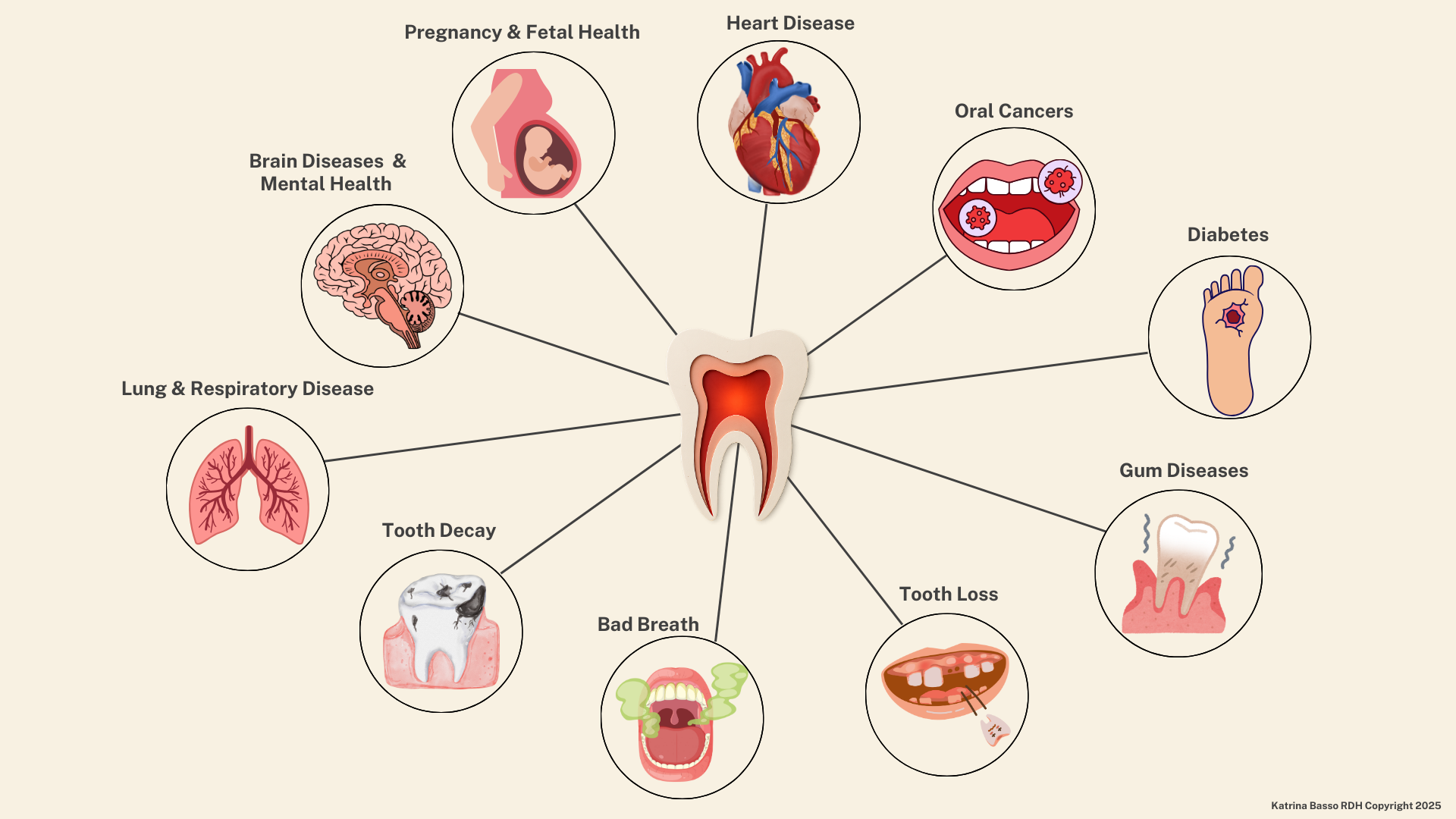
Oral diseases, while largely preventable, pose a major health burden for many countries and affect people throughout their lifetime, causing pain, discomfort, disfigurement and even death. It is estimated that oral diseases affect nearly 3.7 billion people, constituting a major global health challenge. Around the globe, 60-90% of children, and nearly 100% of adults have tooth decay. Untreated dental caries (tooth decay) in permanent teeth is the most common health condition according to the Global Burden of Disease 2021. To read more about cavities, click here.
Oral diseases are caused by a range of modifiable risk factors common to many noncommunicable diseases (NCDs), including:
Consuming processed & sugary foods
A diet high in animal products & fats
Tobacco use & alcohol consumption
Consuming acidic beverages such as coffee & kombucha, as well as vinegar consumption (including pickled and preserved foods)
Ammonia permeability- acids from the stomach rising and affecting oral health
High acidity in the body from pathogenic loads
Nutritional deficiencies such as lack of bioavailable calcium, magnesium, zinc and critical minerals
The impact of pharmaceuticals and medications
Low Hydrochloric acid (HCL)
Structural issues like mouth breathing & OMDs
Poor oral hygiene habits
Poor dietary choices
Prevalence of oral diseases continues to increase globally in children and adults, with growing urbanization and changes in the human diet and living conditions. Marketing of food and beverages high in sugar & fat, as well as tobacco and alcohol, have led to a growing consumption of products that contribute to oral health conditions. Environmental factors including exposure to pathogens, toxic heavy metals, radiation, pesticides and pollution underlie oral-systemic disease.
What is Periodontal Disease?
Periodontal disease, or gum disease, is inflammation of the gums & supporting bones due to inflammation caused by pathogens. Inflammation is the body’s response to fighting off infection that has taken over the gums, sockets, and is leading its way into your jaw bone. Infections and inflammation are caused by (1) Viruses & Bacteria or (2) Injury.
According to the CDC, periodontal disease affects 47% of people over the age of 30 and 70% of people over the age of 65. With this understanding, it is important to note the critical importance of preventative health. There is a chance of disease halting and reversal if caught in its earliest stage, commonly known as gingivitis.
Signs of Periodontal Disease
Here are some common signs, symptoms and early warnings of gum disease:
Puffy, swollen, red gums
Chronic halitosis, or bad breath
Bad taste in your mouth that is persistent
Loose teeth
Bleeding while brushing or flossing
Gum recession
Change in bite alignment
Chewing foods is painful, and teeth are sensitive
Teeth appear loose, and the gums are beginning to pull away from the root of the tooth.
If you wear a partial denture, there may be a noticeable difference in the fit.
Pus between the teeth or pus on the gum
Periodontal disease can affect your oral and overall health in many ways, and because of this, it is important to make sure you are addressing the symptoms.
Stages of Periodontal Disease
-
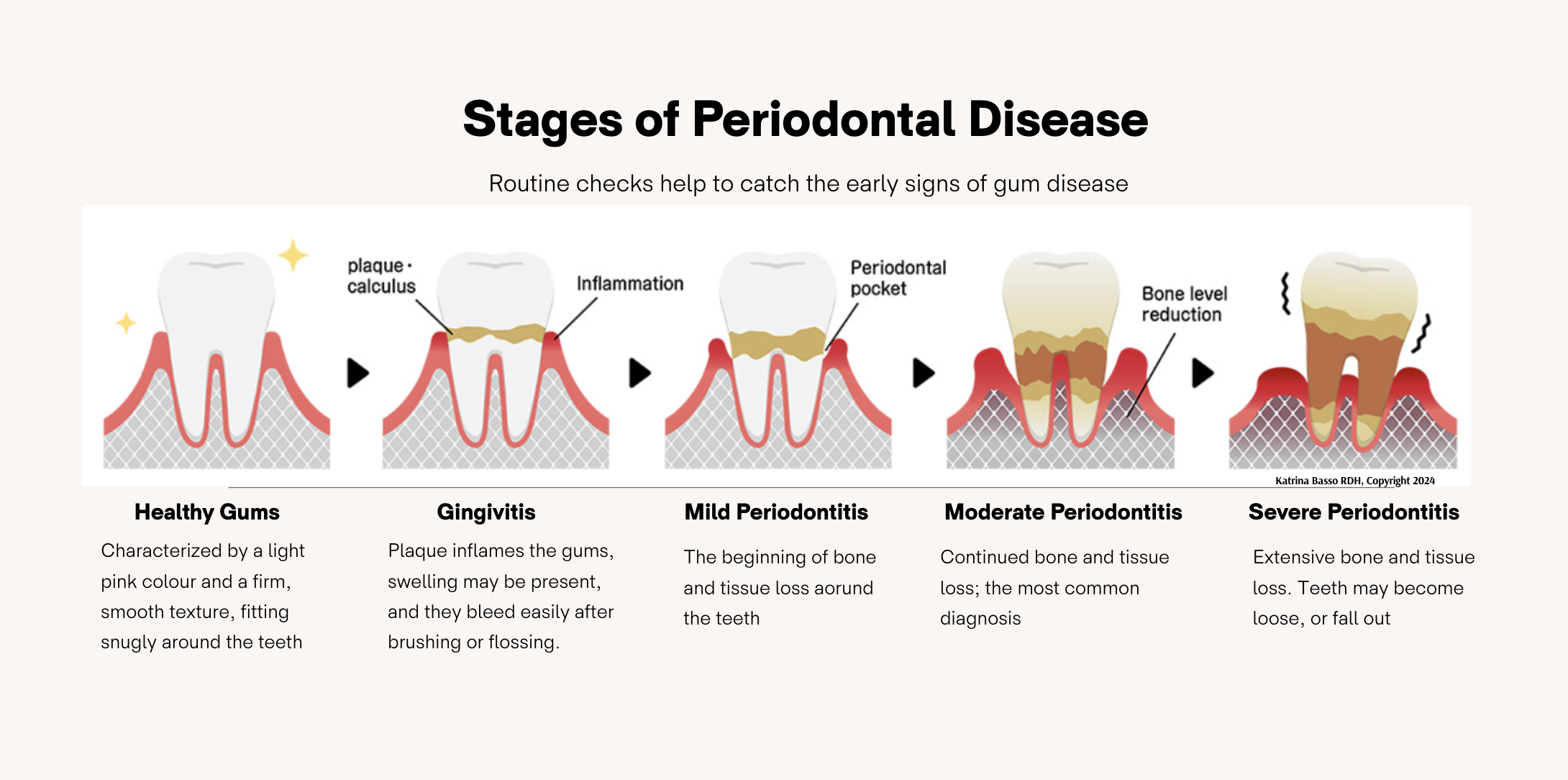
This is the precursor to periodontal disease and the least painful. Because of this, symptoms are often ignored, like bleeding gums after brushing or flossing. You may also notice swelling of the gums. This is the perfect time to consult a dentist. This is the stage in which gum disease is completely reversible.
-
If left untreated, gingivitis can rapidly progress and become advancing periodontitis. During this stage, it is probable that gum tissue will pull away from the teeth. Pulling away of the gums can cause pockets in which debris is collected, and infection can occur. At this stage, chronic bad breath (halitosis) can be a symptom. Other symptoms include loose teeth or gum recession.
-
Rapid progression of periodontal diseases can lead to severe symptoms, including significant gum recession, bone tissue destruction, and loose or lost teeth.
-
Unfortunately, this is the most common form of periodontal disease, and it is not reversible at this stage. However, it is treatable and the disease process can be halted. It is typically associated with many factors, including poor oral hygiene & dietary habits, and can include deep pockets between teeth and gum tissue, severely inflamed gums, and tooth loss.
-
At this stage, tissue necrosis (death) occurs. It is usually experienced by those who suffer from other conditions. Those with other medical issues are most susceptible to this stage of periodontal disease. Symptoms of this stage include excessive bleeding of the gums, extreme pain, and tooth loss.text goes here
What Happens During a Periodontal Exam?
Visual Inspection: The dental hygienist or dentist examines the gums for signs of redness, swelling, bleeding, or recession.
Periodontal Probing: A periodontal probe is used to measure the depth of the pockets between your teeth and gums. In a healthy mouth, these pockets are typically 1 to 3 millimeters deep; deeper pockets can indicate periodontal disease.
Bleeding on Probing (BOP): The presence of bleeding when the probe touches the gums is a sign of inflammation.
Plaque and Tartar Assessment: Buildup of plaque and tartar, which can lead to gum disease, is evaluated and removed.
Tooth Mobility Assessment: The stability of your teeth is checked.
X-rays: Dental X-rays may be taken to assess the health of the bone supporting your teeth and to identify bone loss.
Why Are Periodontal Exams Important?
Early Diagnosis: They help detect gum disease, like gingivitis and periodontitis, in its early stages.
Overall Health: Good gum health is linked to overall health, with periodontal disease being associated with heart disease, diabetes, and other issues. By the time oral diseases are present, they have been happening under the surface for many years.
Preventative Care: Regular exams allow for early intervention, healing, and proper management of oral health issues.
What is the goal?
To maintain healthy gums and bone to prevent tooth loss and protect your overall health.
An annual comprehensive periodontal evaluation is recommended by the American Academy of Periodontology to maintain and monitor your periodontal health. Sometimes, more frequent exams, such as six-week follow-ups are recommended to re-evaluate home care and oral habits.
Oral- Systemic Health Prevention
While it can often feel daunting to hear news of periodontal disease at the dental clinic, true oral health comes back to the basics: nutrition, smart supplementation, breathing & airway health, simple home care, and stress management. Here are some simple tools you can incorporate for lasting health support:
Foods: Lemons, limes, oranges, parsley, wild blueberries, celery juice, cilantro, aloe vera gel, papaya, leafy greens, asparagus, grapes, onions, garlic, apples, radishes, leafy greens, scallions, chives, berries, cucumber juice, melons, ginger, sesame, pumpkin & sunflower seeds, and spirulina.
Nutrient dense staples such as celery, bananas, potatoes and wild blueberries promote overall wellness. Incorporating these foods into your diet regularly helps establish a strong foundation for health.
Supplements: Spirulina, Barley Grass Juice Powder, Micro-C Immune Powder, sovereign silver, Coenzyme Q-10, fresh made orange juice, celery juice.
Herbs: Peppermint, Oregano, Thyme, Gingko Biloba, Neem, Clove, Cinnamon, Horsetail, Nettle, Red Raspberry Leaf, Elderberry
Products: Utilize dental toothpaste and tinctures enriched with minerals, like Living Libations, along with hydroxyapatite-based toothpaste to help remineralize and strengthen your teeth.
Oral Hygiene: Maintain good oral hygiene practices at home, including brushing twice daily, flossing, tongue scraping and maintaining a healthy diet.
Orofacial Myofunctional Therapy (OMT): This therapy addresses orofacial myofunctional disorders, including structural issues and mouth breathing which can contribute to the progression of oral diseases. OMT aids in the restoration of appropriate use of the muscles of the face, head and neck, addressing symptoms like mouth breathing, chewing & swallowing issues, tongue posture and sleep issues, and is a helpful treatment for all ages, contributing to positive changes in oral and overall health outcomes.
Minimize environmental exposures where possible and support the immune system through healing foods.
Avoid foods that feed pathogens and exacerbate inflammation including dairy, gluten, eggs, pork, corn, soy, canola oil and processed foods.
Other Treatments: Increased frequency of scaling and root planing, as well as a referral to a periodontist may be necessary, and recommended by your oral health specialist. In cases of advanced periodontal disease, flap surgery, bone grafts and soft tissue grafts may be recommended.
Morning Ritual & Key Foods for Dental Health
Certain foods stand out for their targeted benefits to oral health. Adding these to your morning practices may seem simple, but they provide powerful support for the body's natural cleansing processes and set a positive tone for the day:

Lemon Water: Starting the day with lemon water provides deep hydration along with an alkalizing, mineral-rich boost that cleanses the mouth, kills harmful bacteria, and supports a healthy, balanced oral environment.

Celery Juice: Consistently consuming celery juice on an empty stomach is a powerful way to combat harmful bacteria, and prevent tooth decay & gum recession, while remineralizing the teeth. It improves hydrochloric acid levels, promotes digestion and helps clear out harmful gases and bacteria that can affect oral health.

Medical Medium Heavy Metal Detox Smoothie: Ingredients like spirulina aid in the removal of heavy metals behind some oral health conditions, while contributing to the remineralization of teeth and gums. This smoothie helps cleanse the system without disrupting metal dental fillings. Toxic heavy metals disrupt bone formation and development on a cellular level, making this smoothie is a powerful ally for expectant mothers. In a time where OMDs, tongue ties, ADHD, autism and other brain related conditions are increasing, this is a powerful way to add protection.
1:1 Care
Often, by the time periodontal disease is known, customized care is necessary to halt the disease process, and begin healing & reversing damage. At a certain point, the disease process cannot be reversed, and it is crucial to focus on halting and preventing further damage. This typically includes a personalized treatment plan incorporating specific nutritional protocols for disease healing & prevention, as well as treating any structural issues present, such as mouth breathing, which can contribute to the progression of oral disease. Bringing your attention to nutrient-dense foods, supportive morning rituals, and smart supplementation, can support both children and adults alike in their oral systemic health.
As we learn to reconnect with what our bodies are communicating, we return to the natural wisdom stored within us, empowering us to make healthy, sustainable habits for ourselves and those who will come after us.
